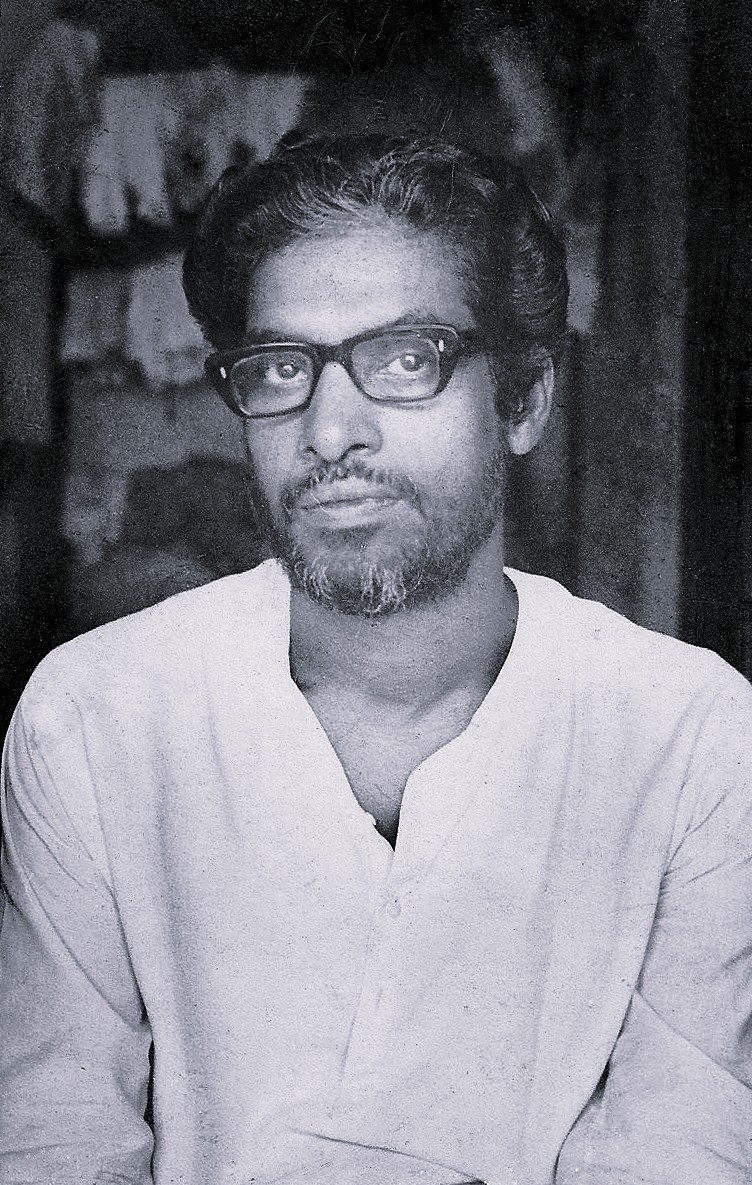
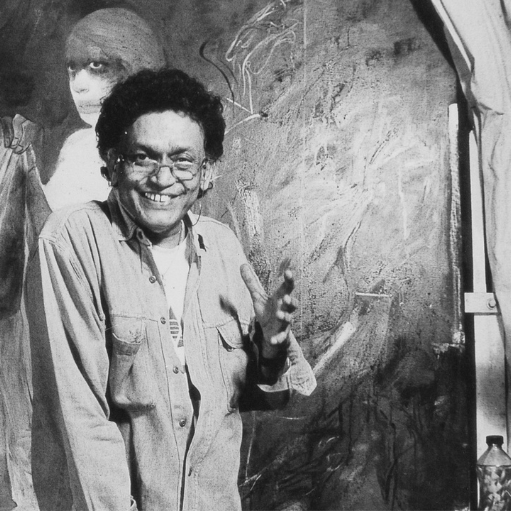
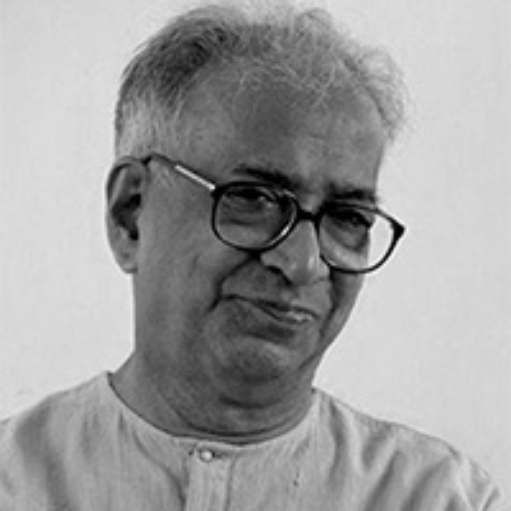
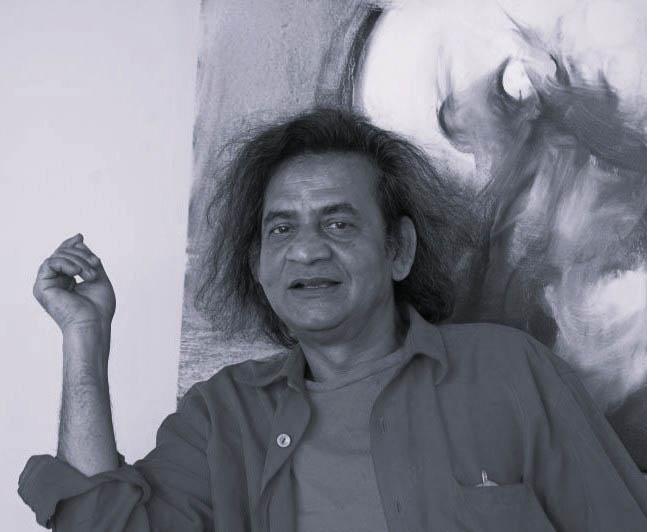
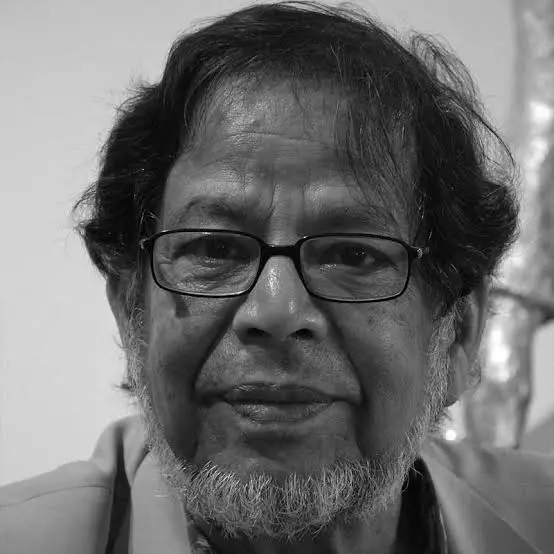
Bijan Choudhury holds a significant place in the trajectory of modern Indian art, particularly within the context of Bengal’s evolving visual culture in the mid-20th century. Born in Faridpur in 1931, his early education in Calcutta and later in Dhaka shaped a practice that remained attentive to both formal discipline and lived experience.
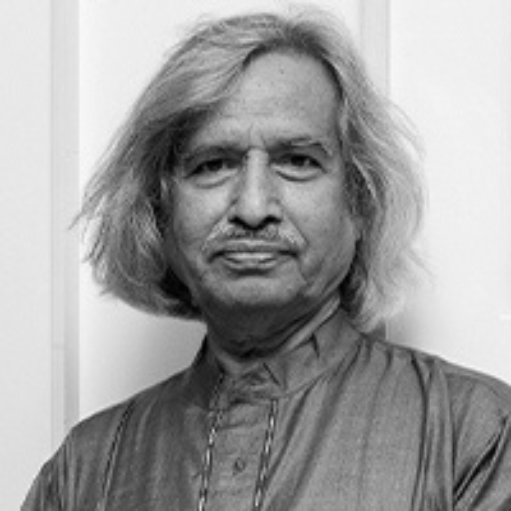
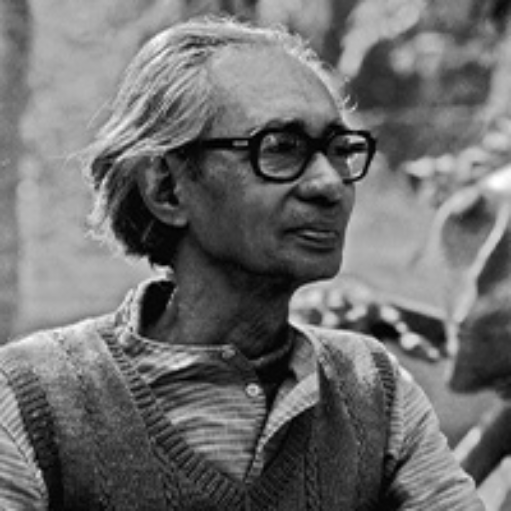
He was a founding member of the Society of Contemporary Artists and later part of the Calcutta Painters group, alongside contemporaries such as Jogen Chowdhury and Rabin Mondal. These associations marked an important moment in the search for new artistic languages that moved beyond earlier stylistic frameworks and engaged more directly with the present.
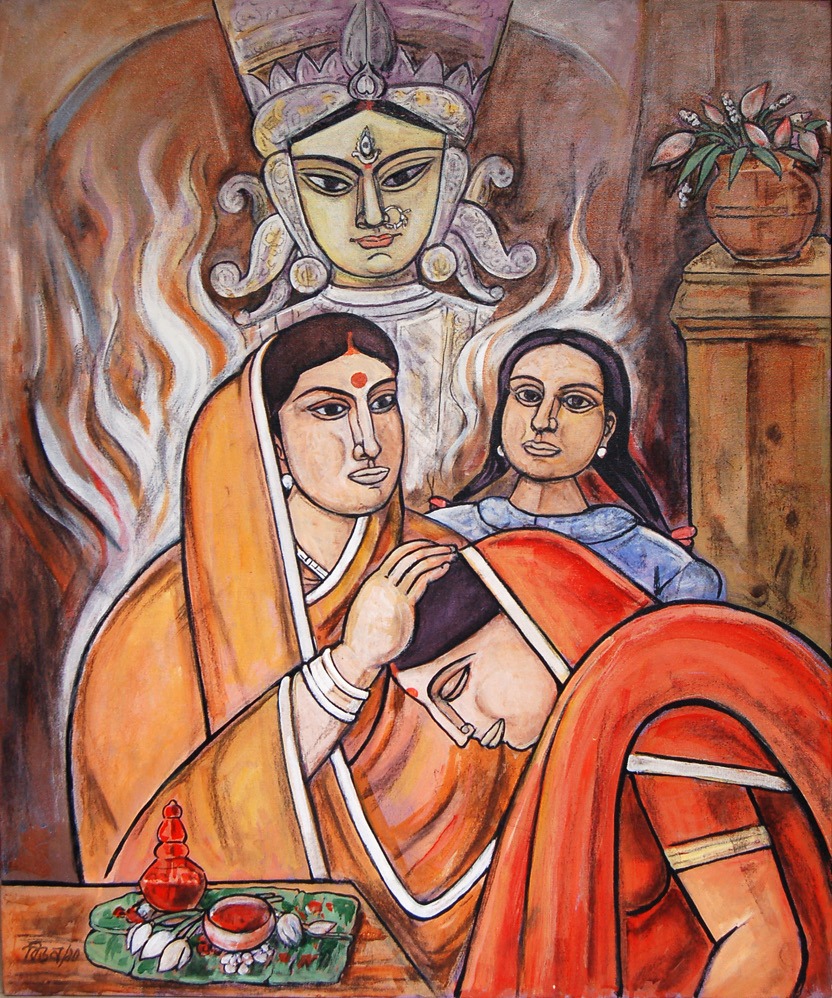
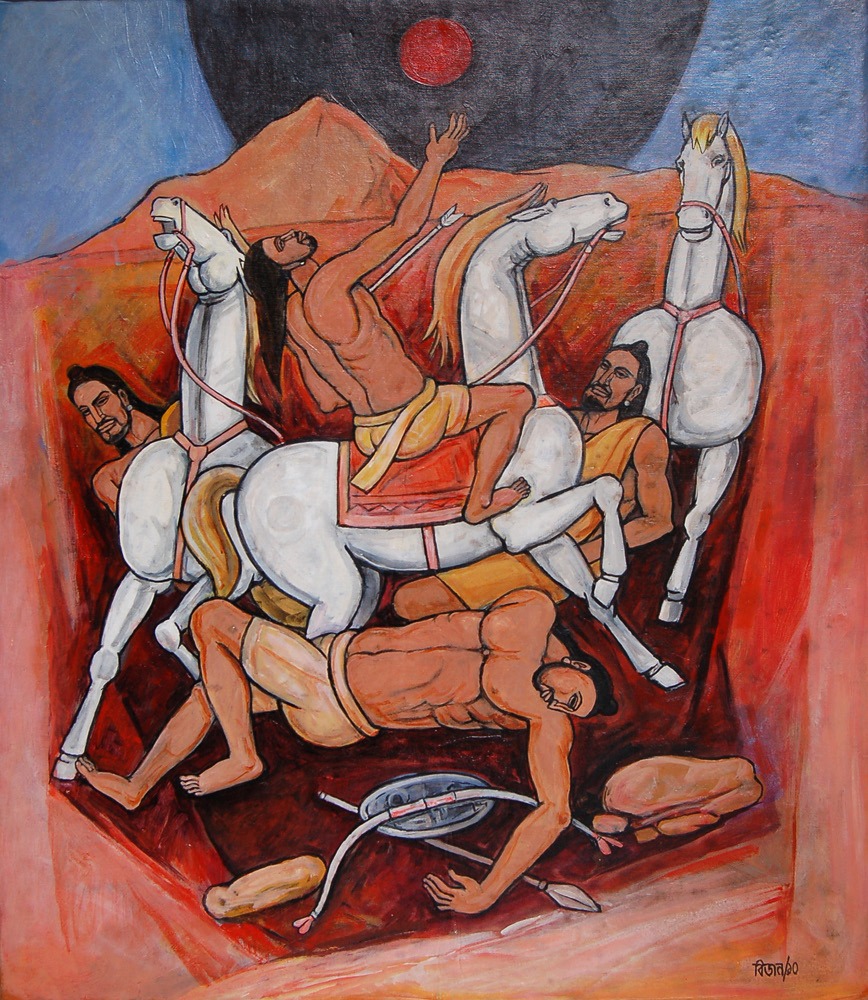
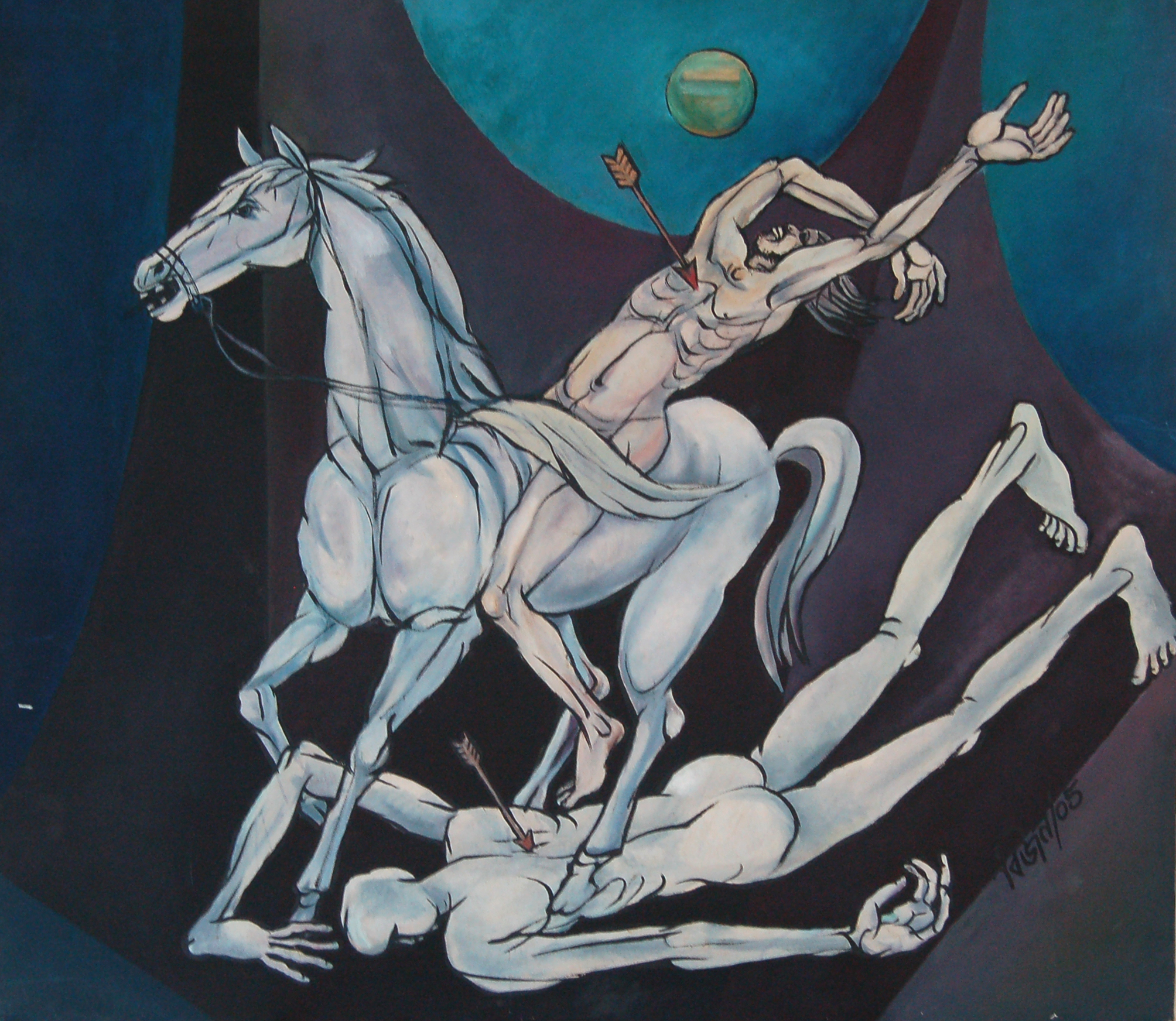
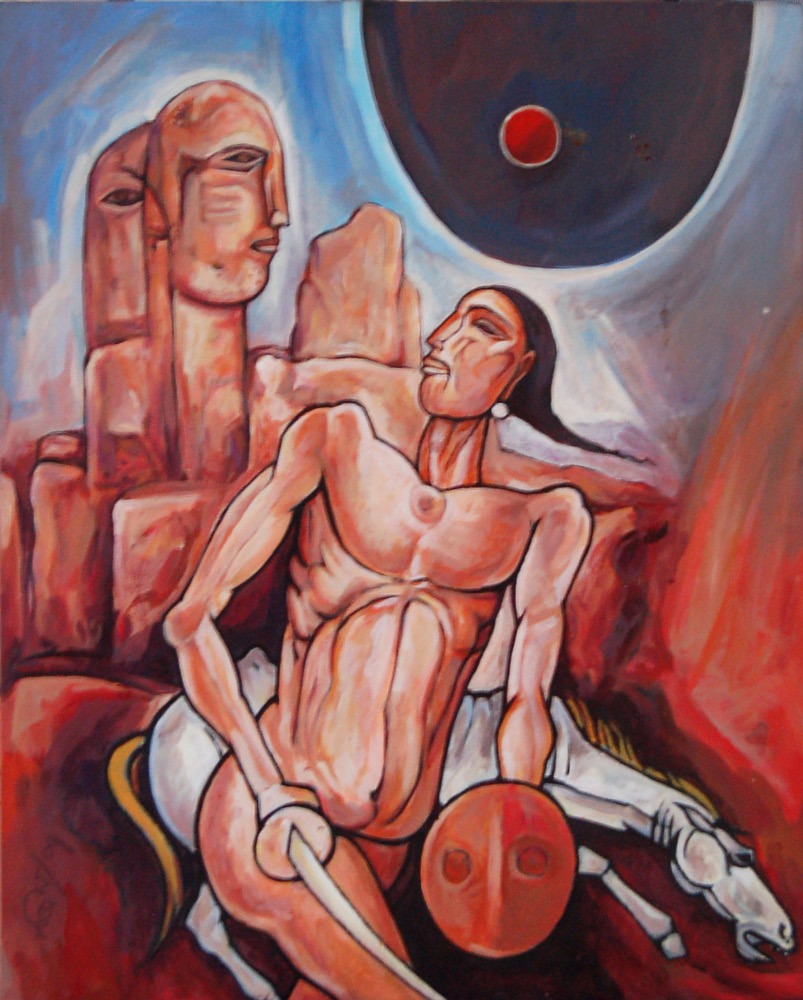
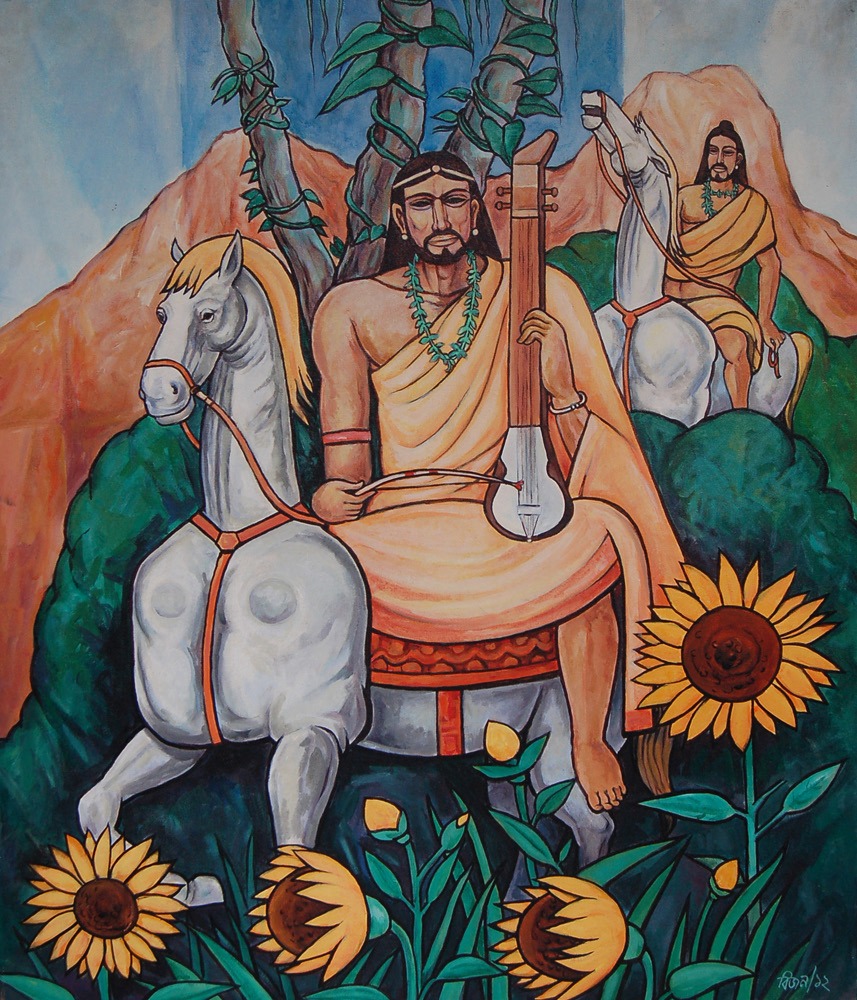
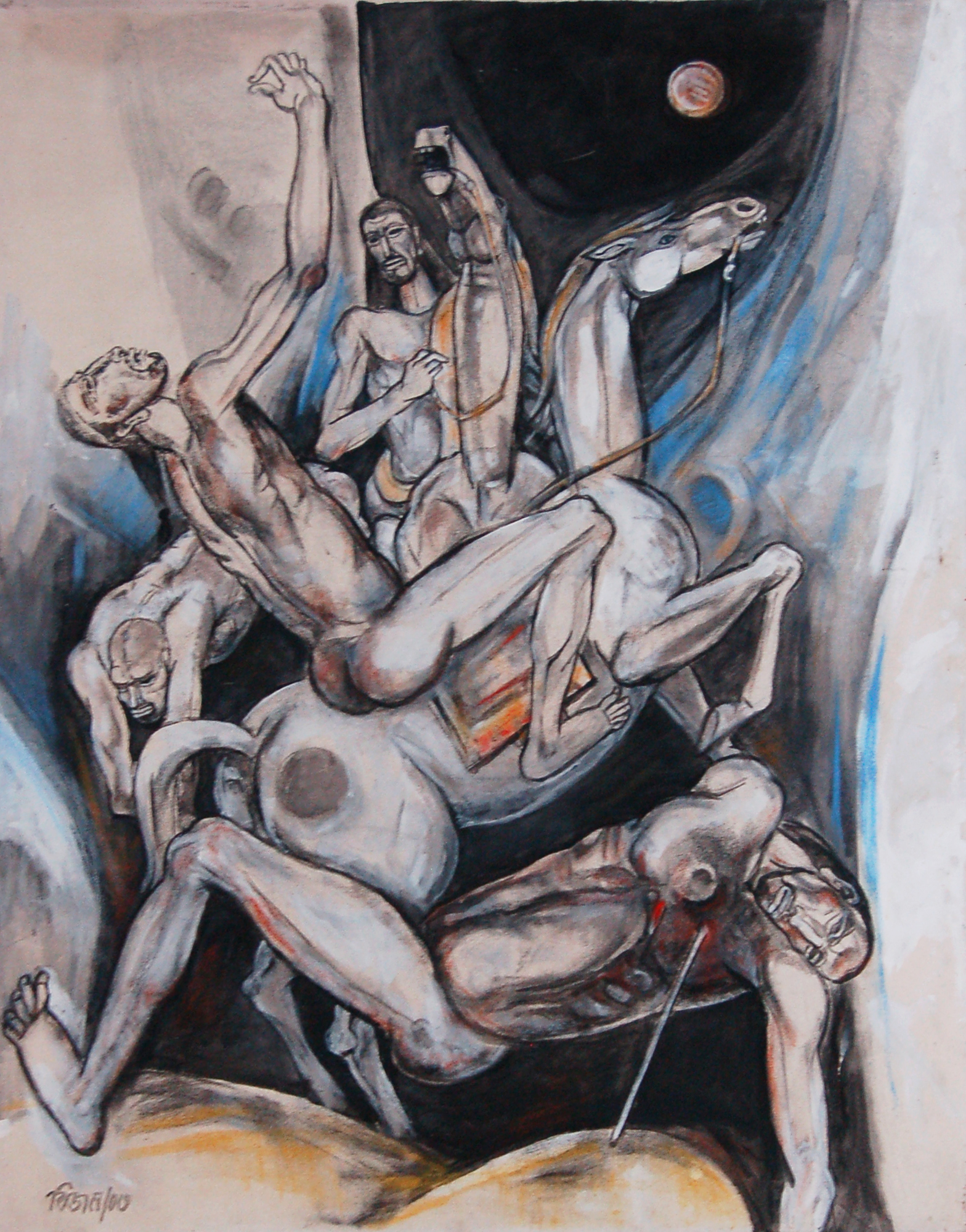
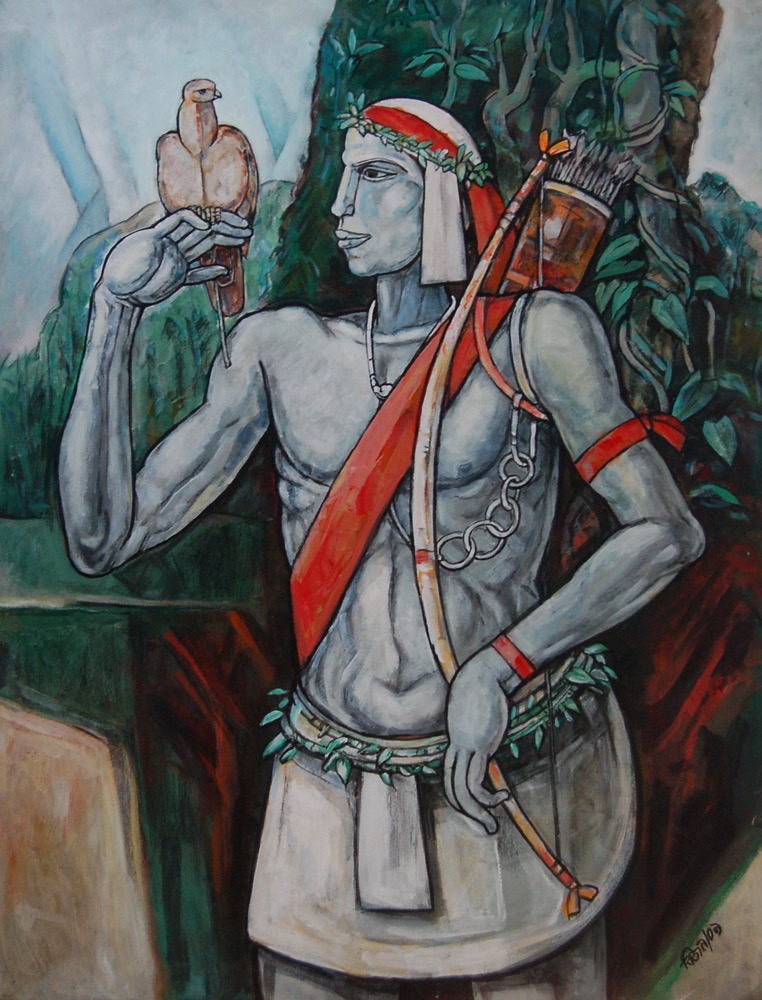
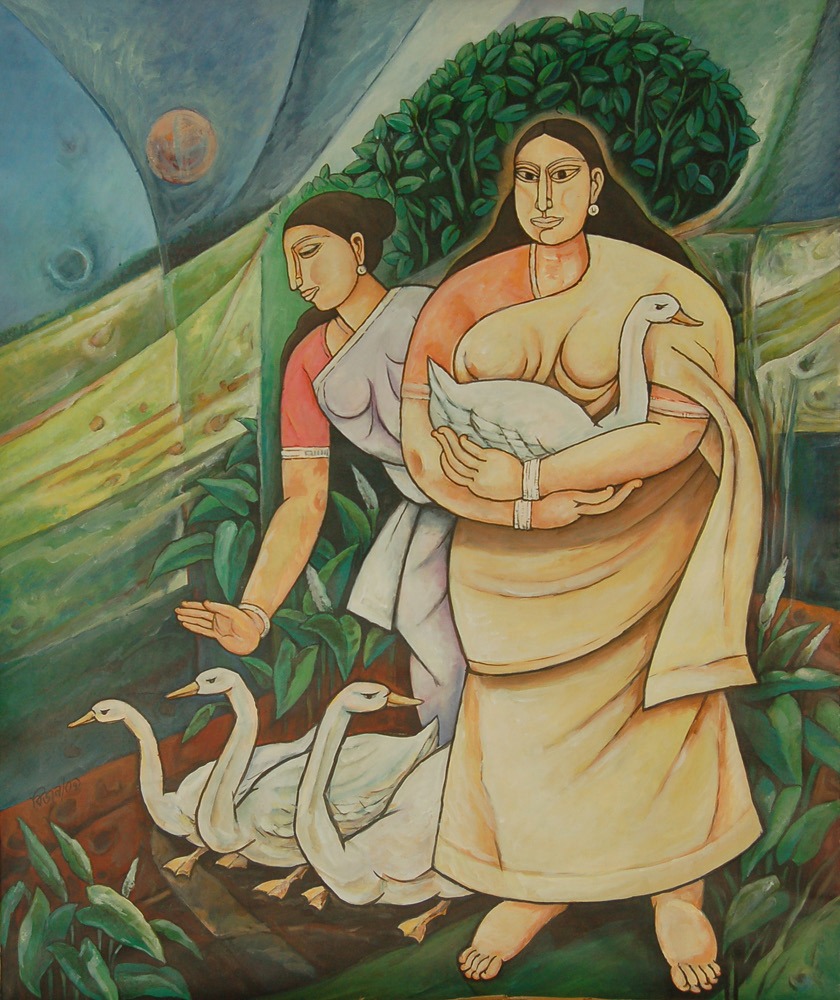
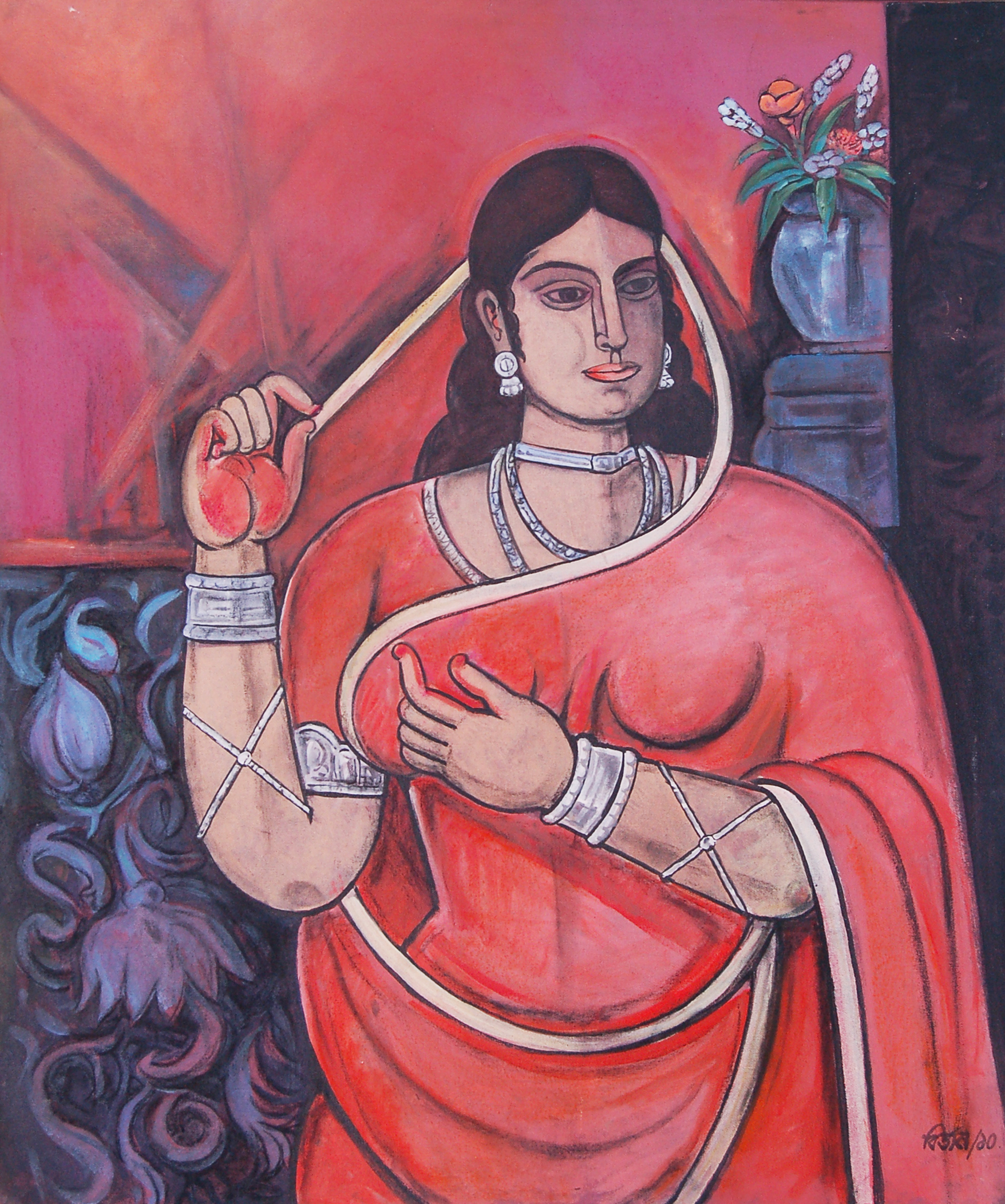
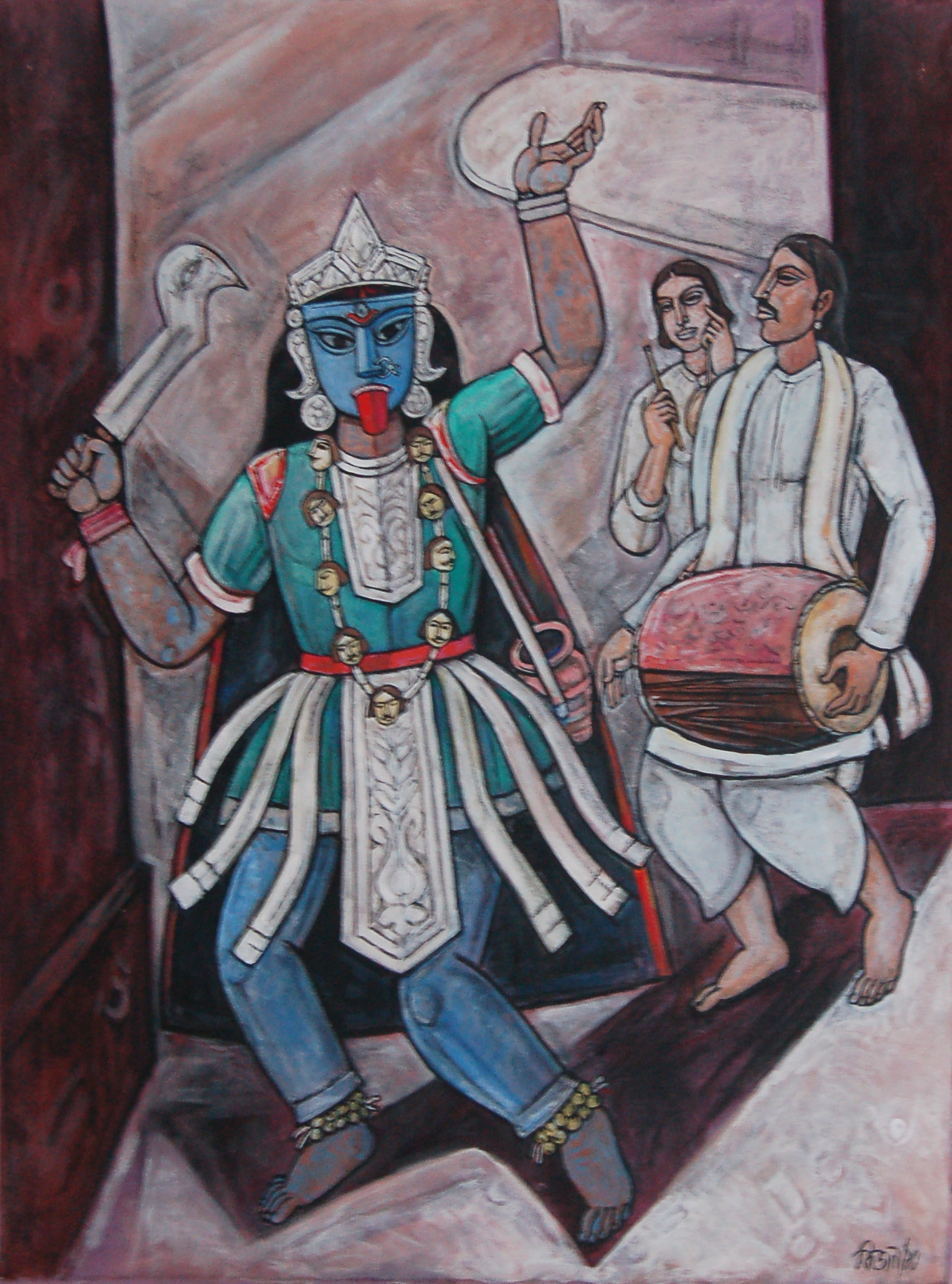
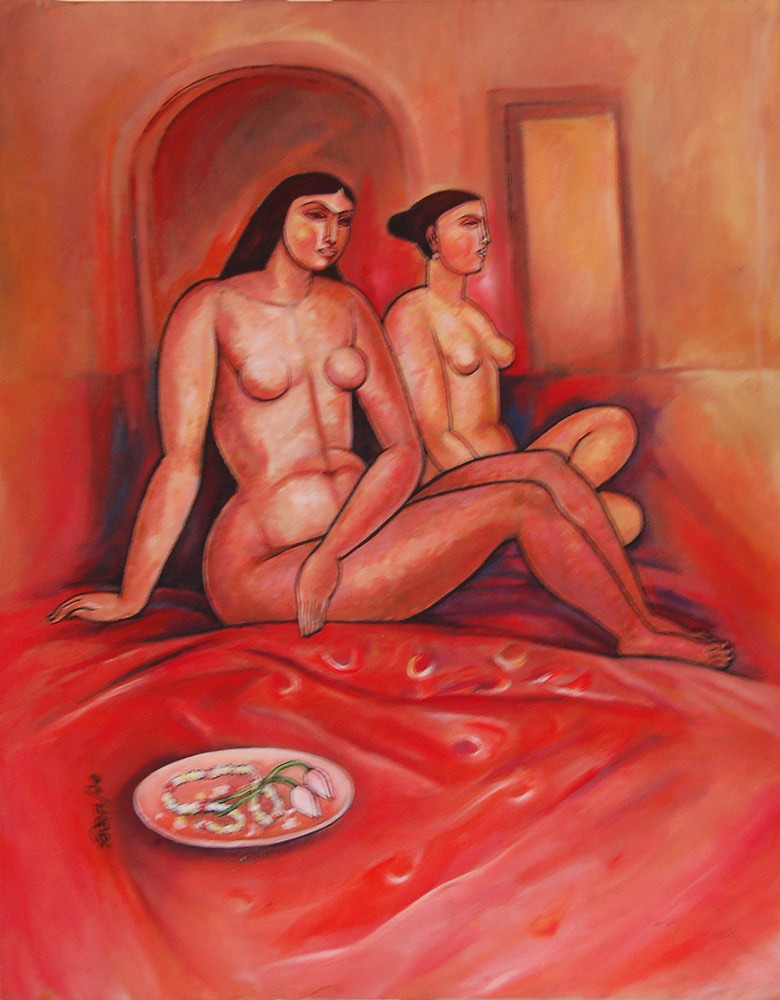
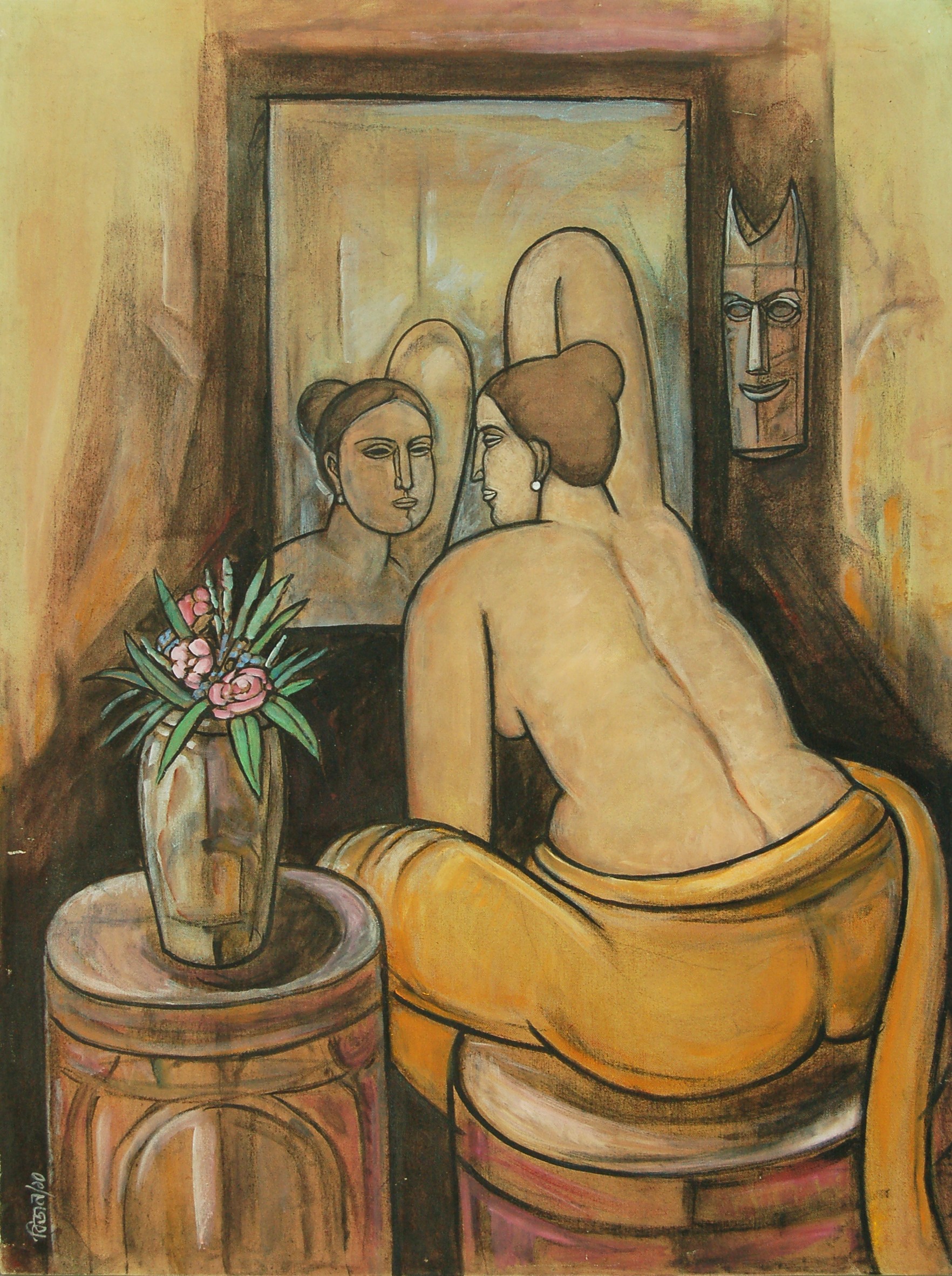
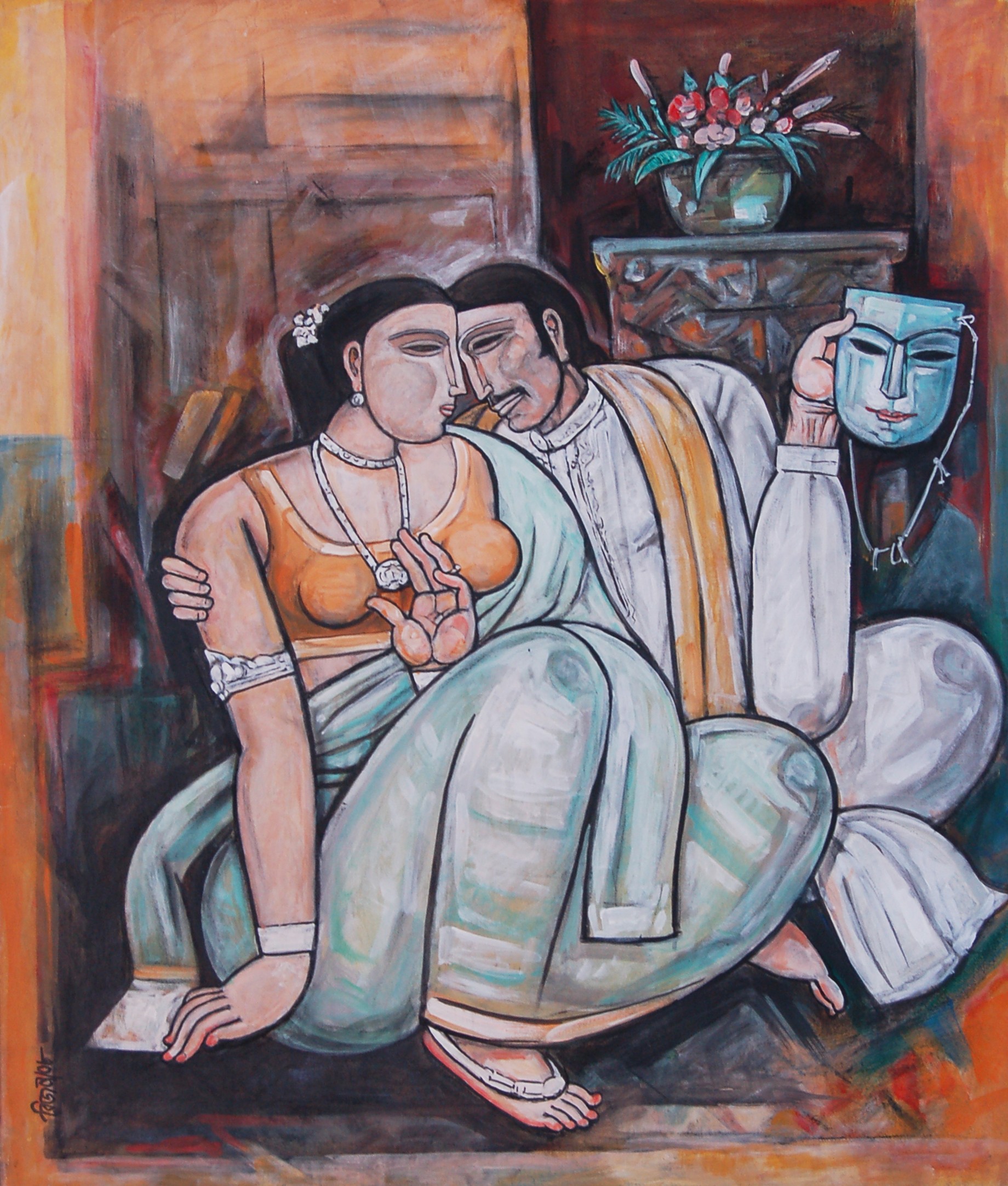
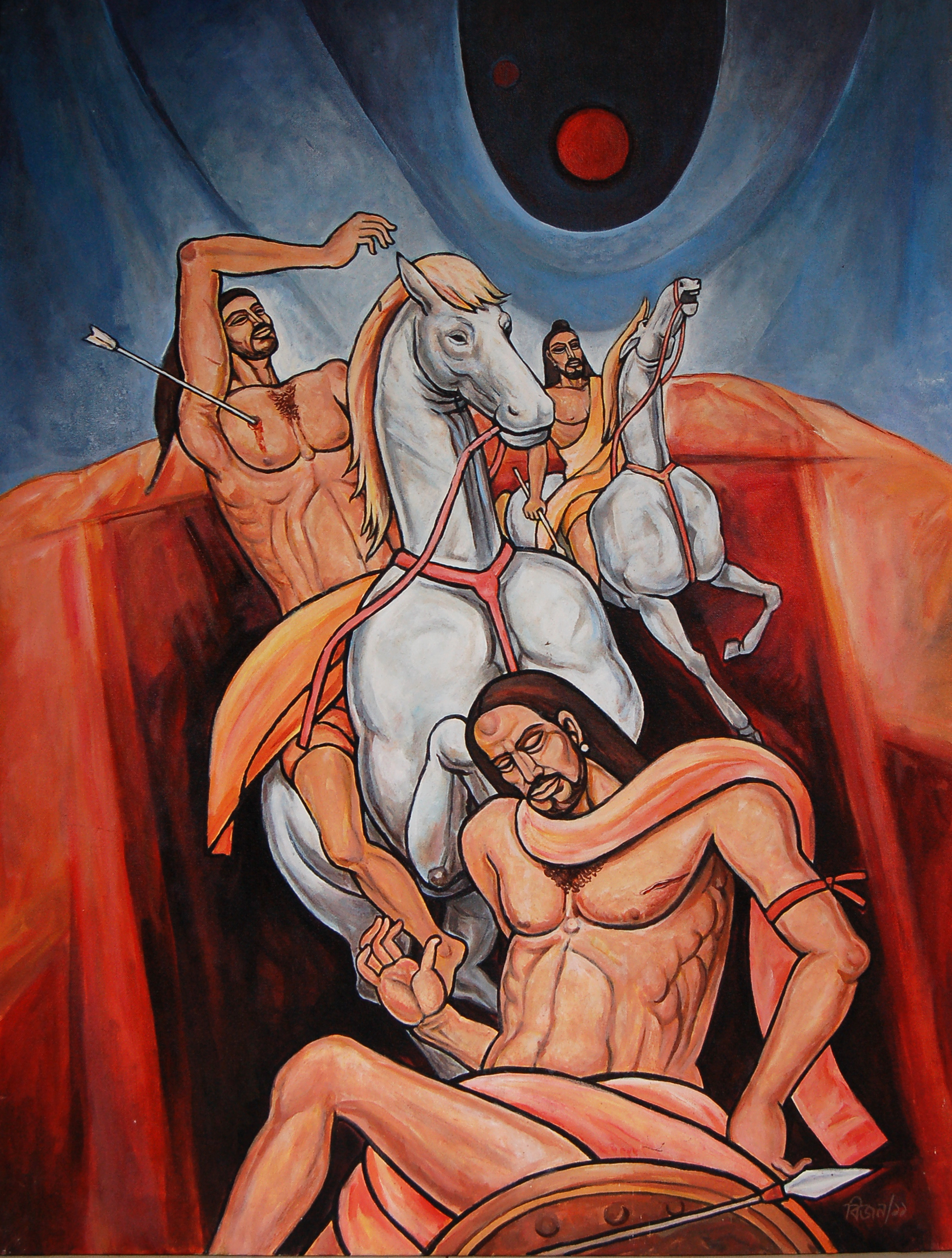
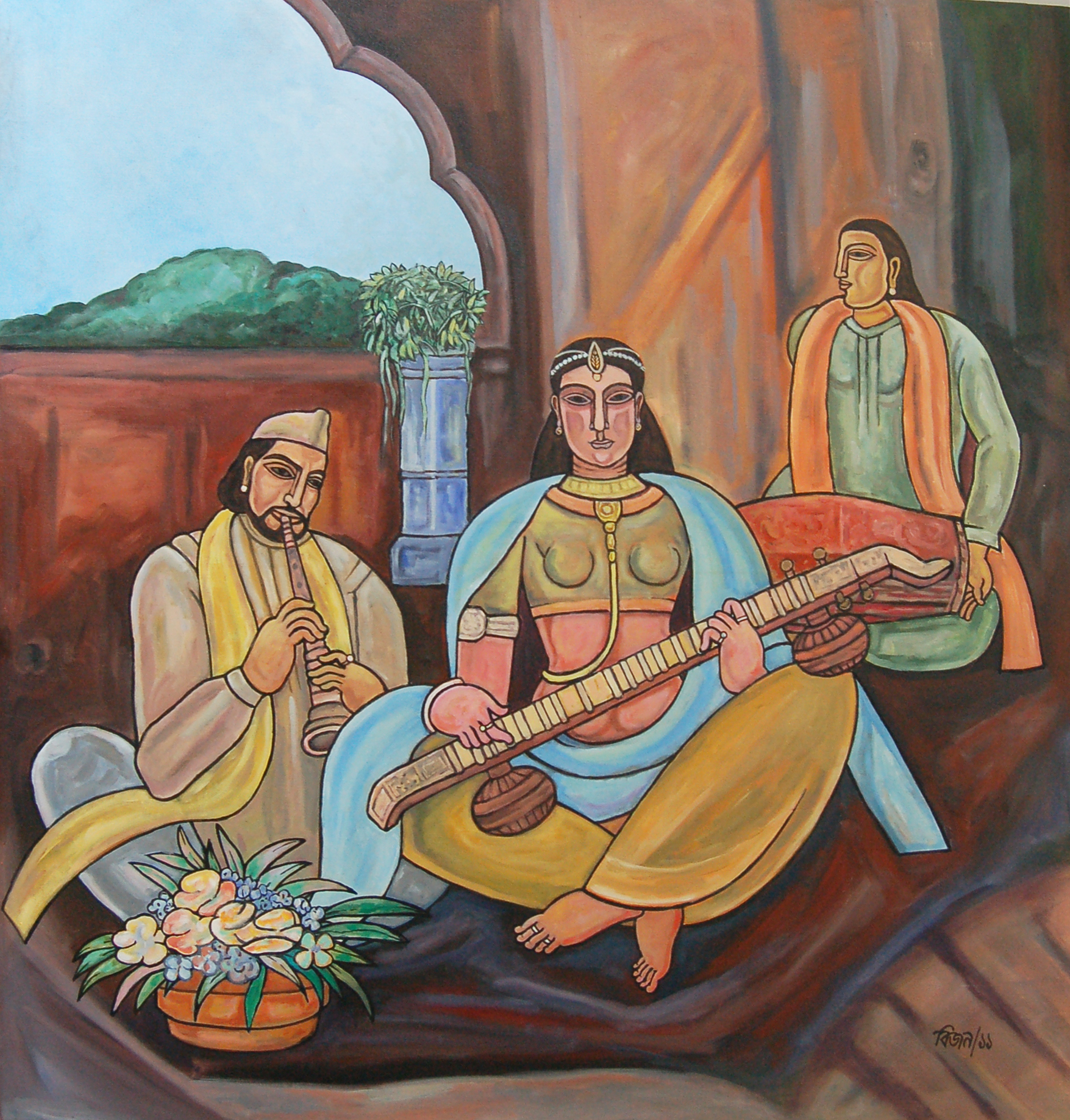
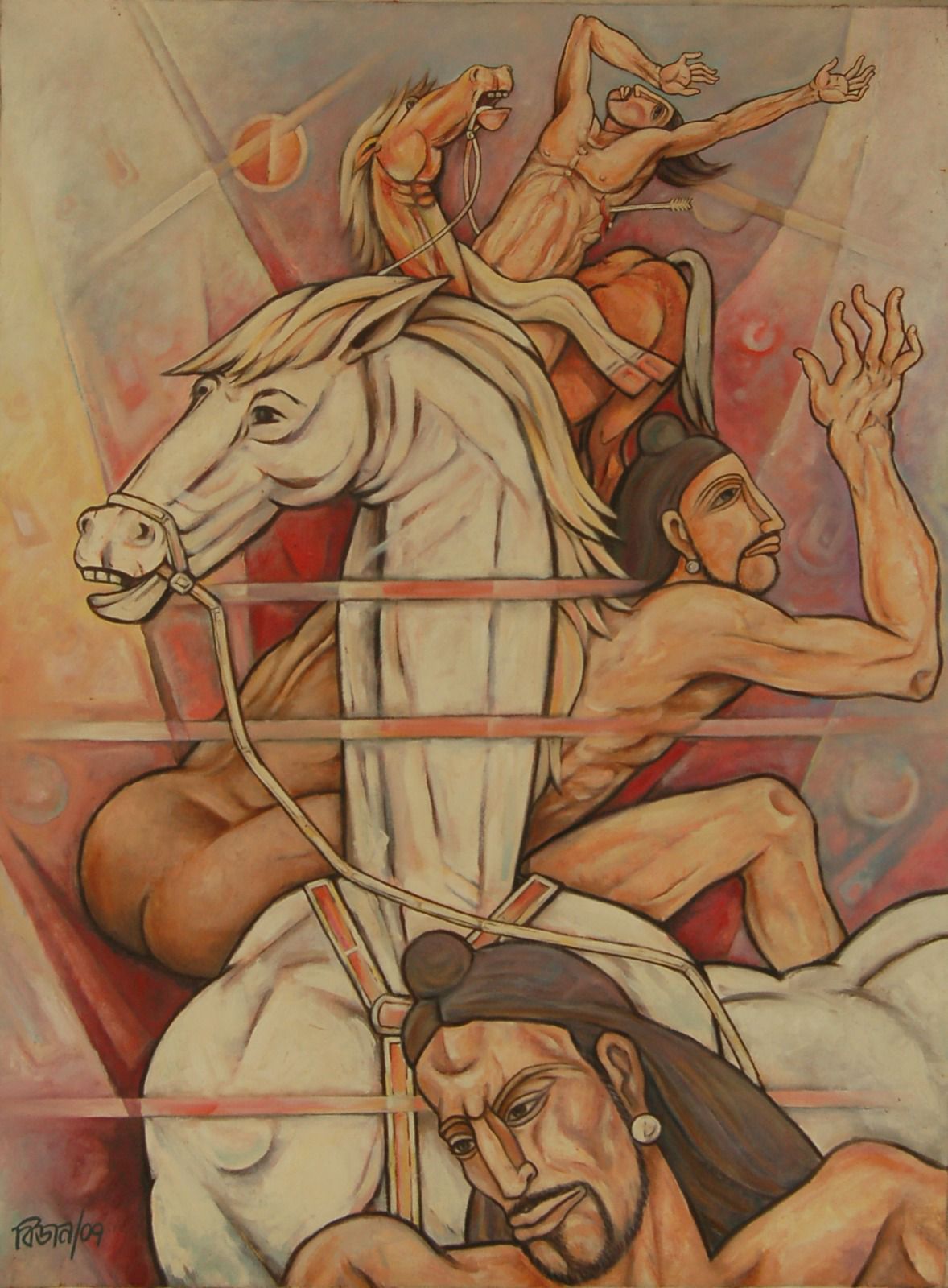
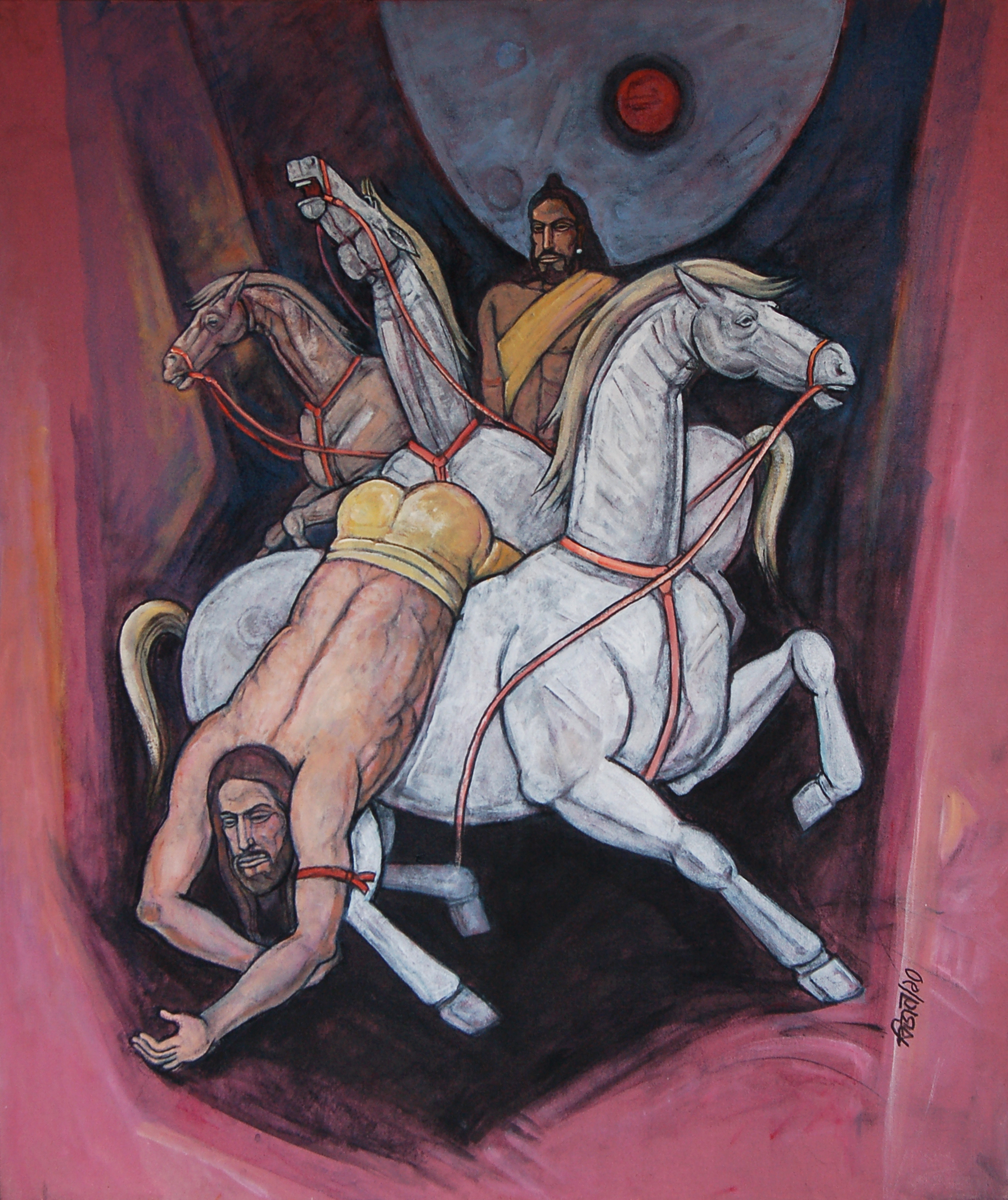
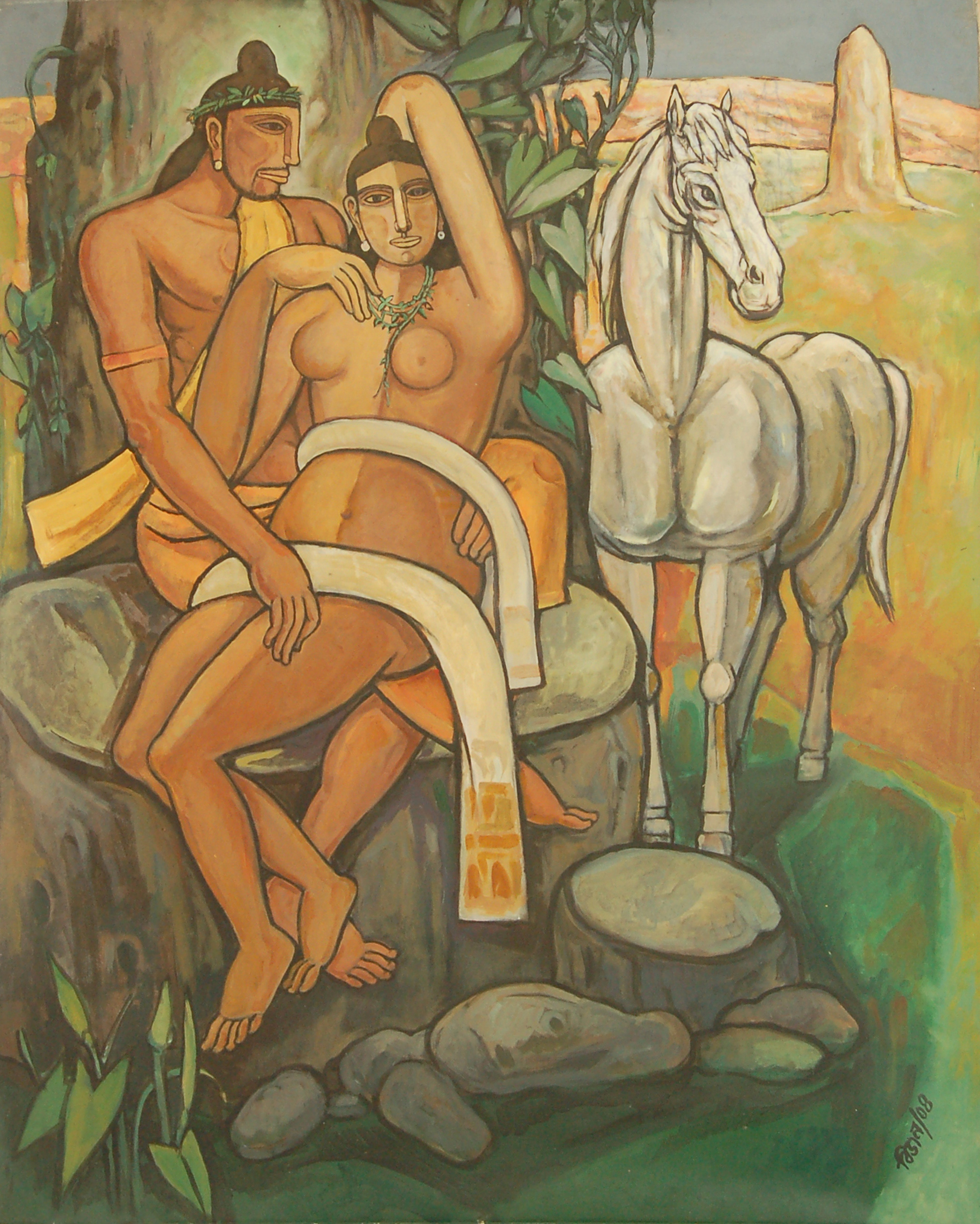
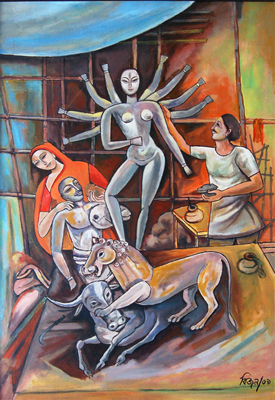
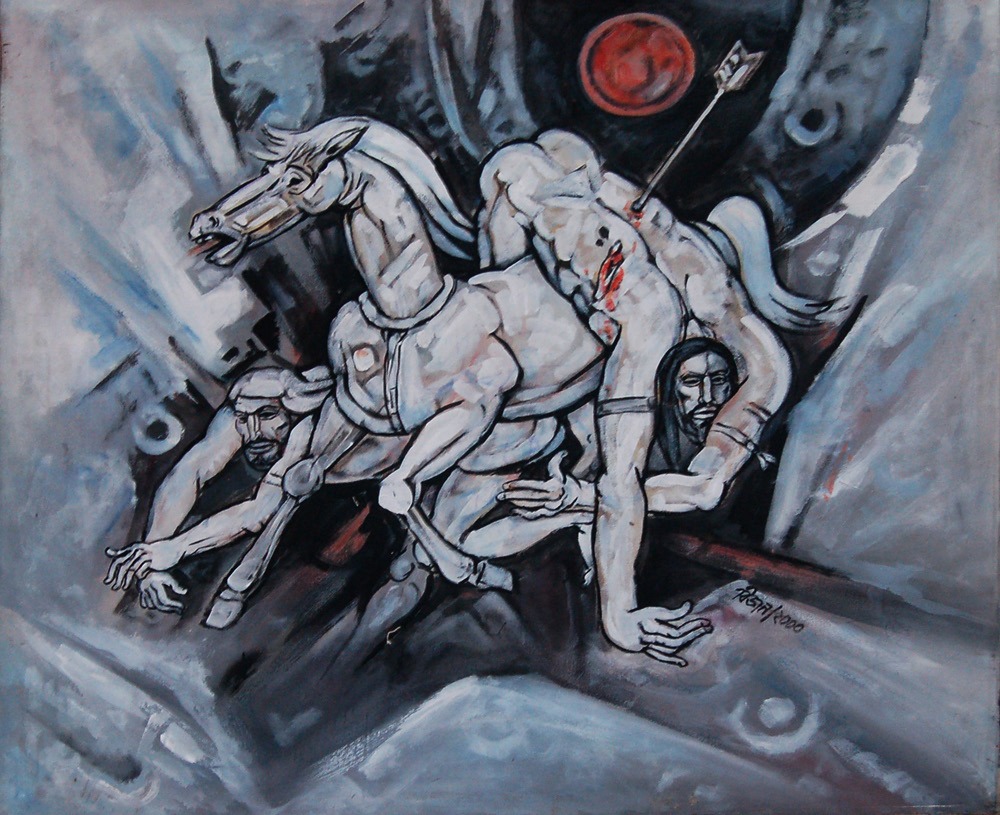
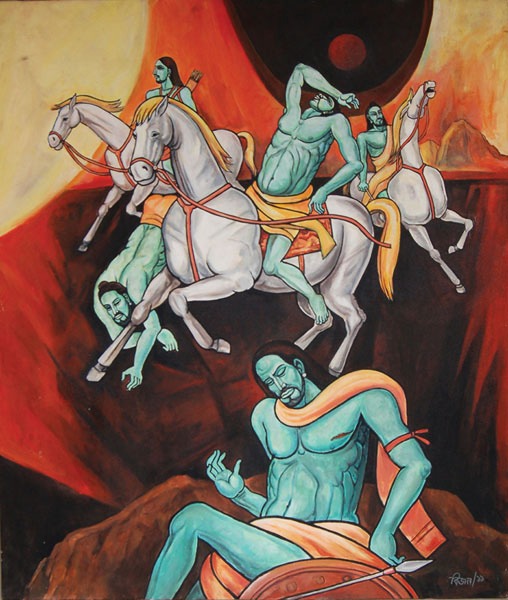
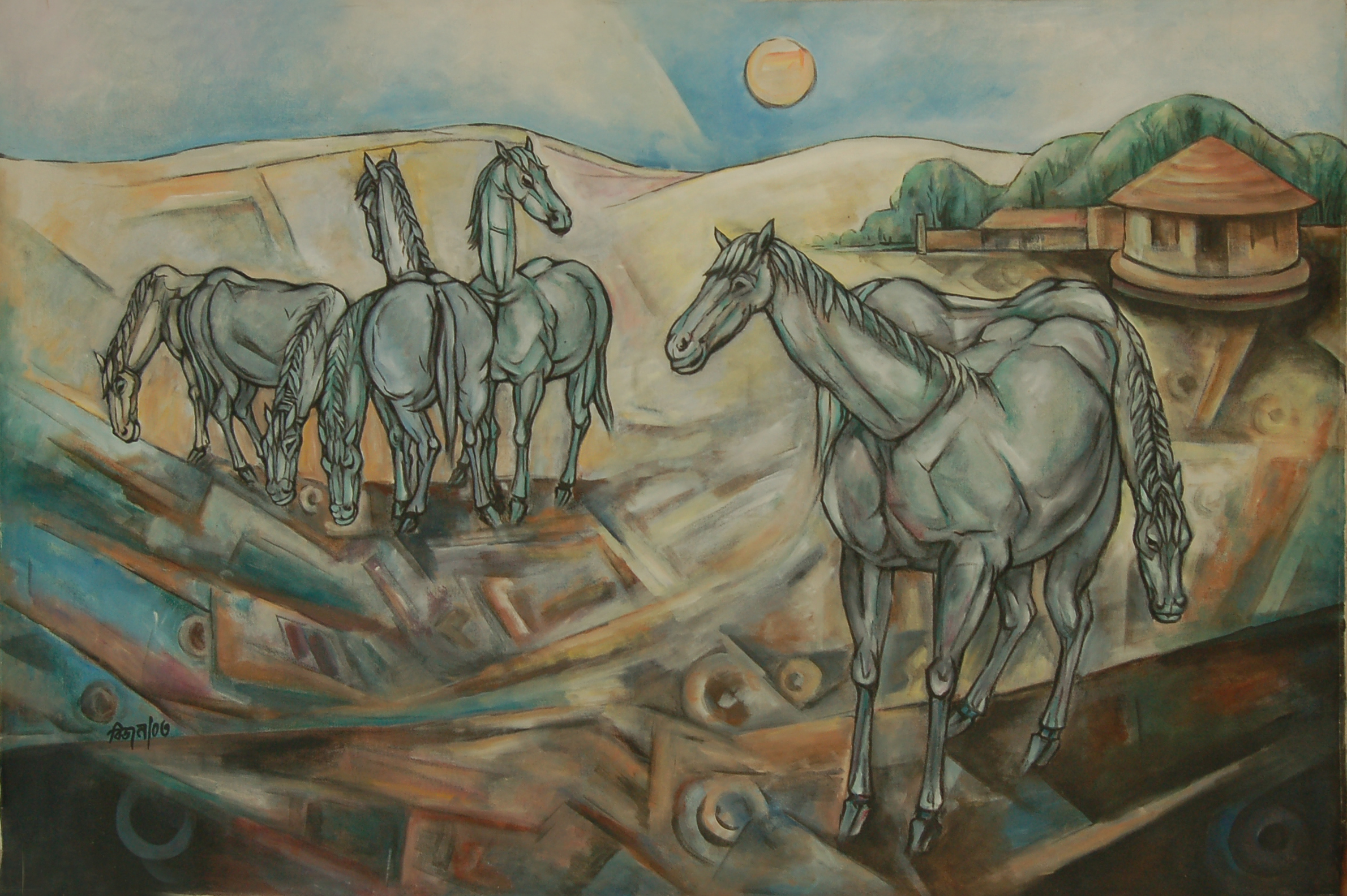
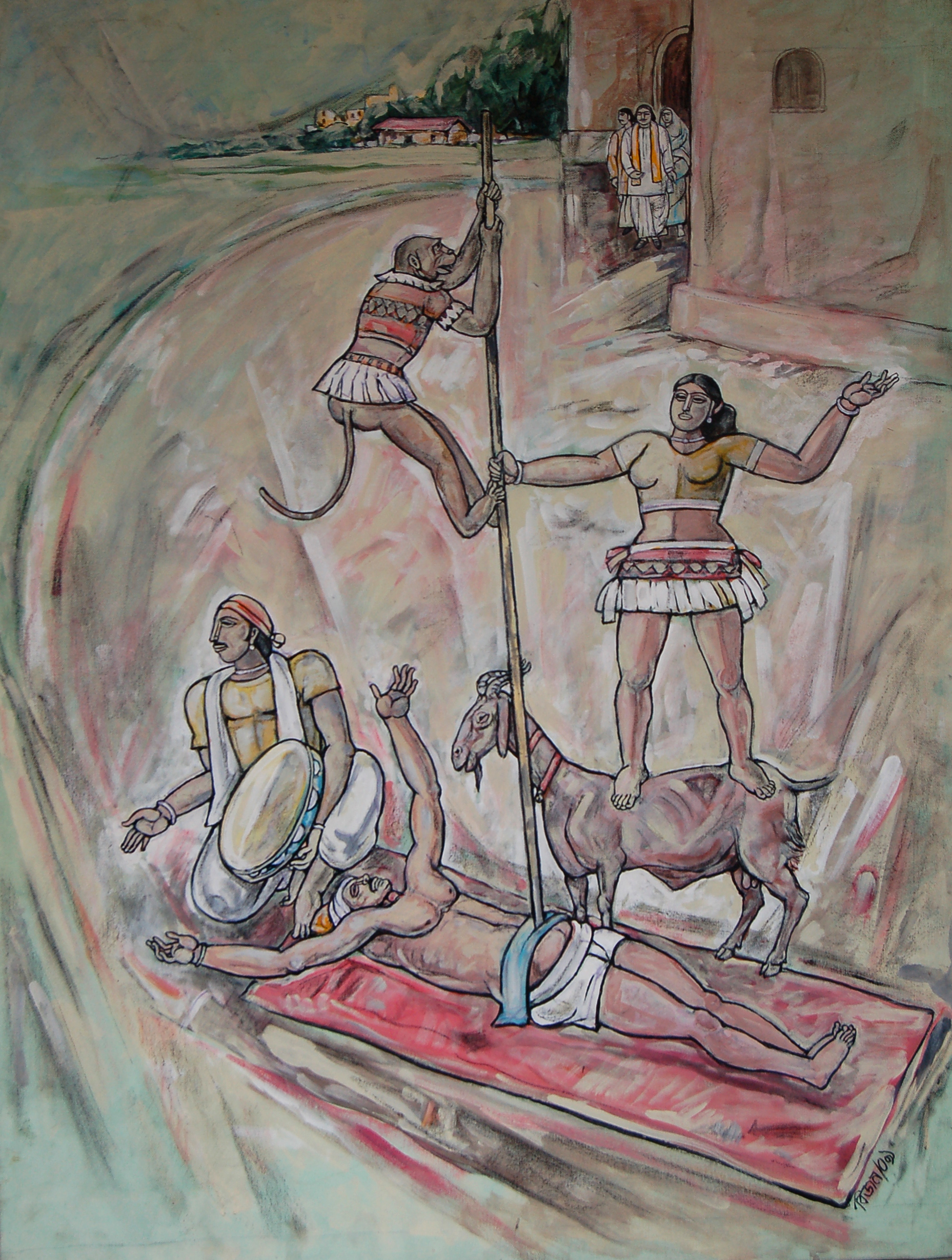
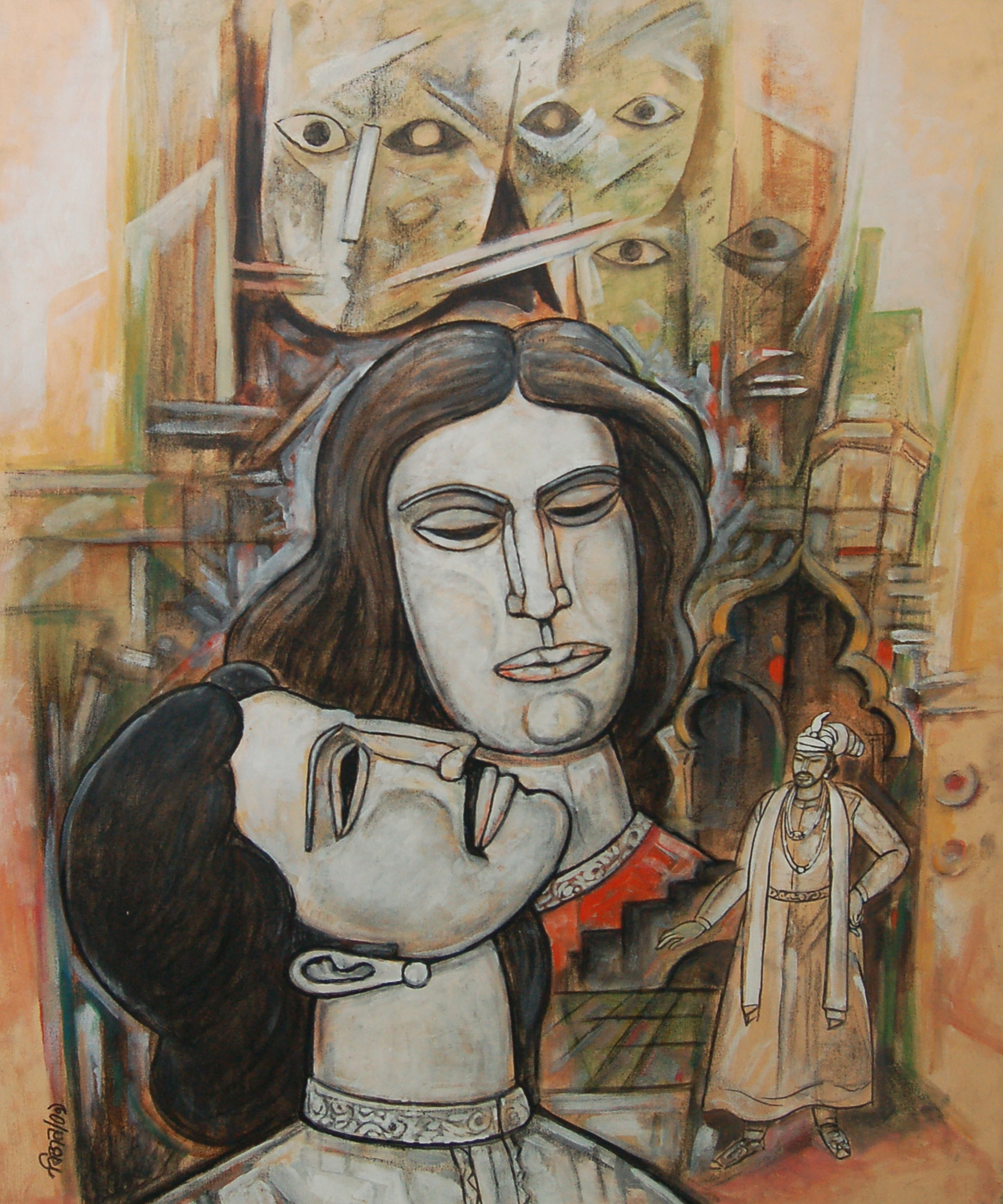
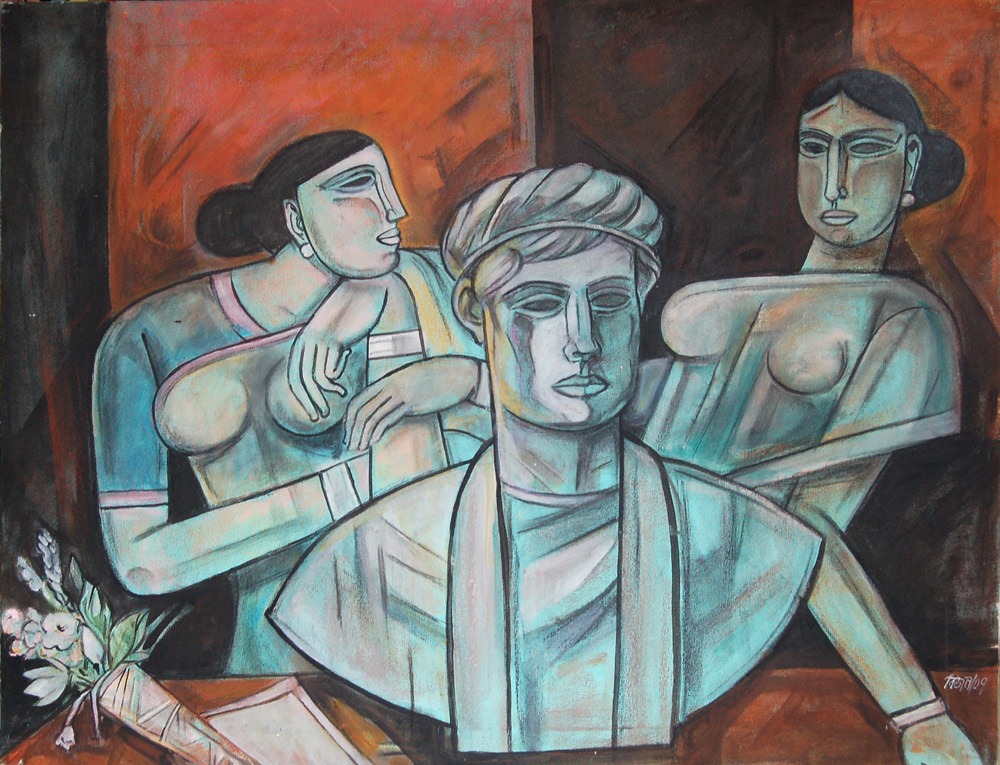
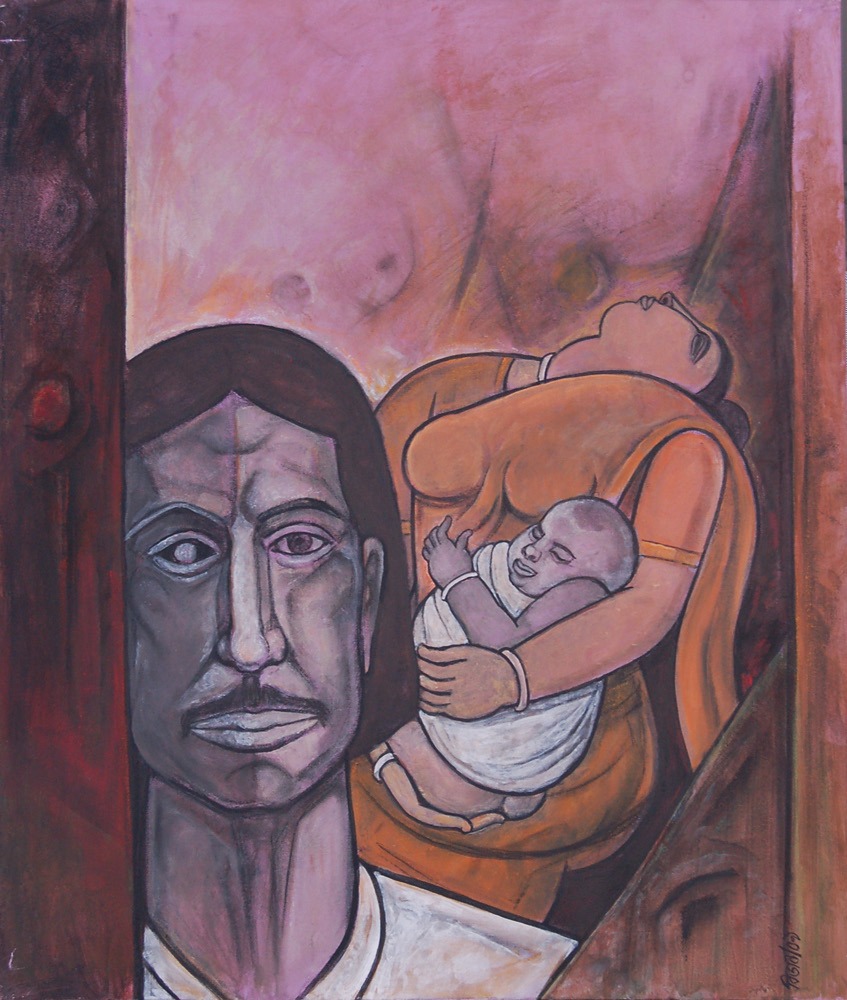
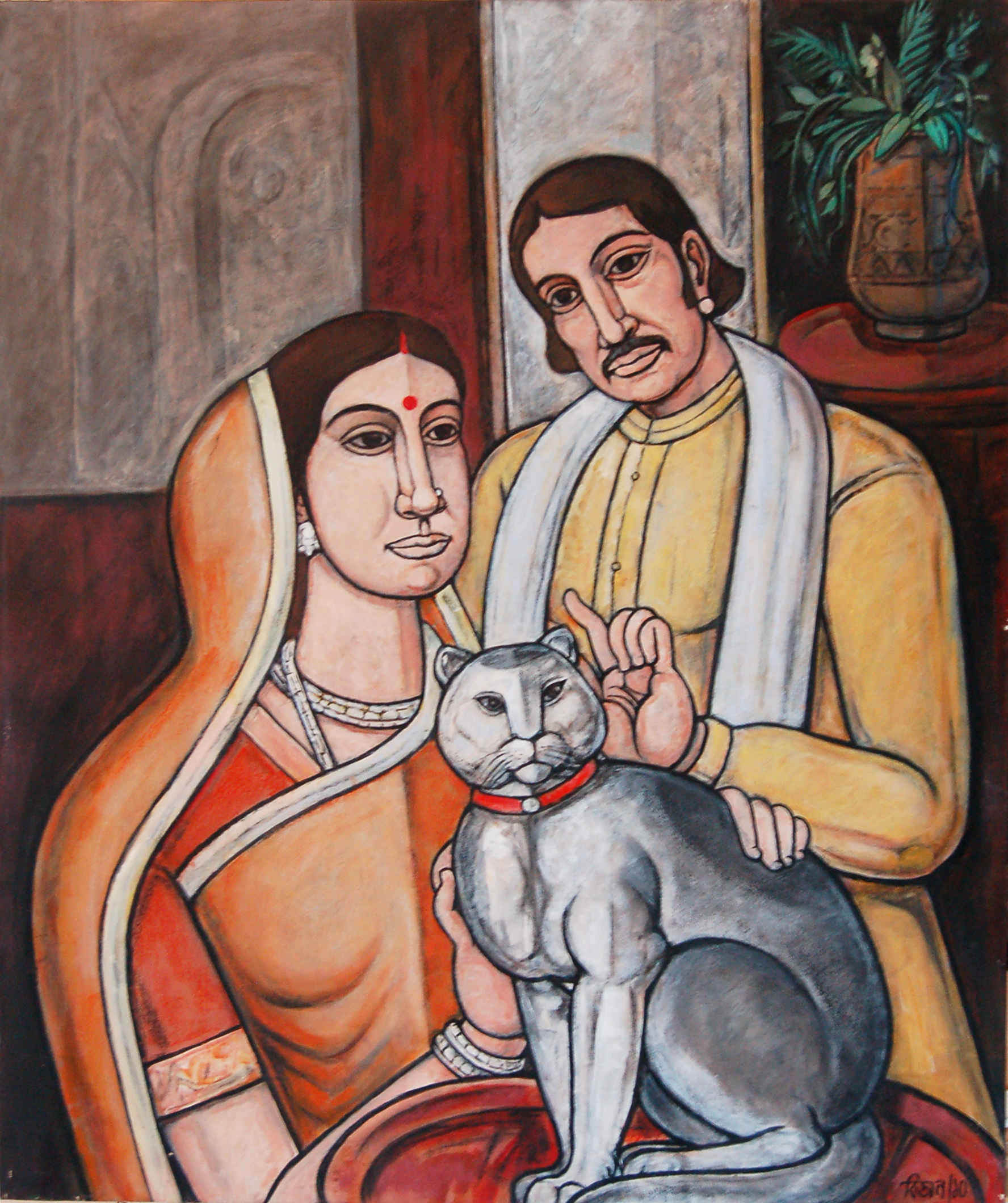
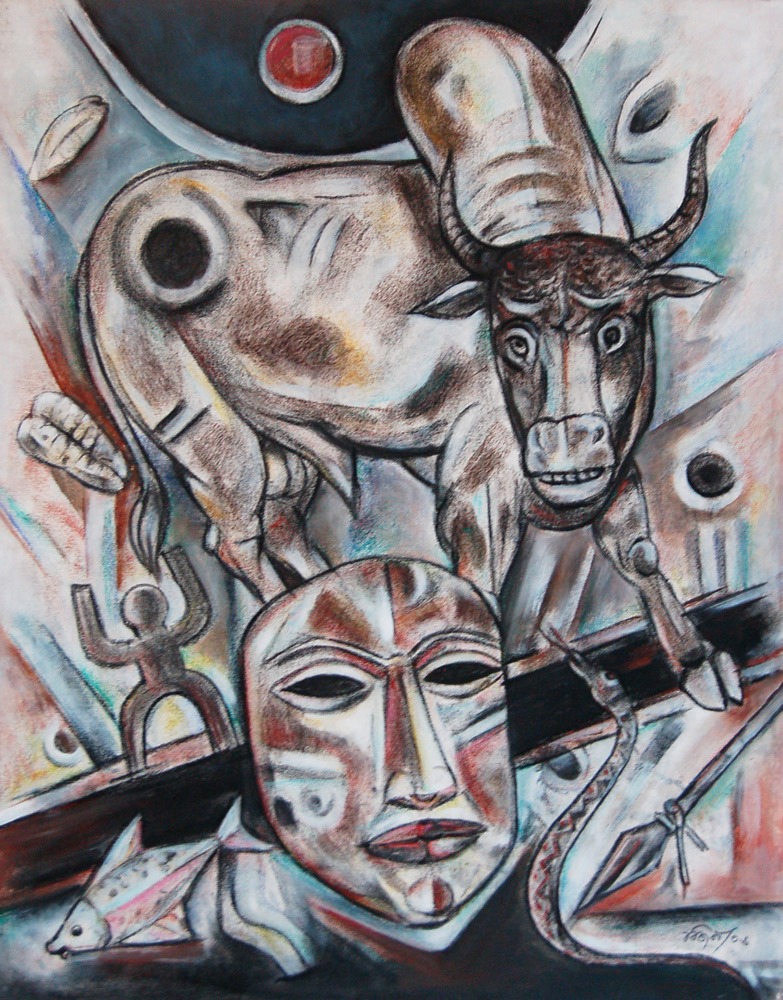
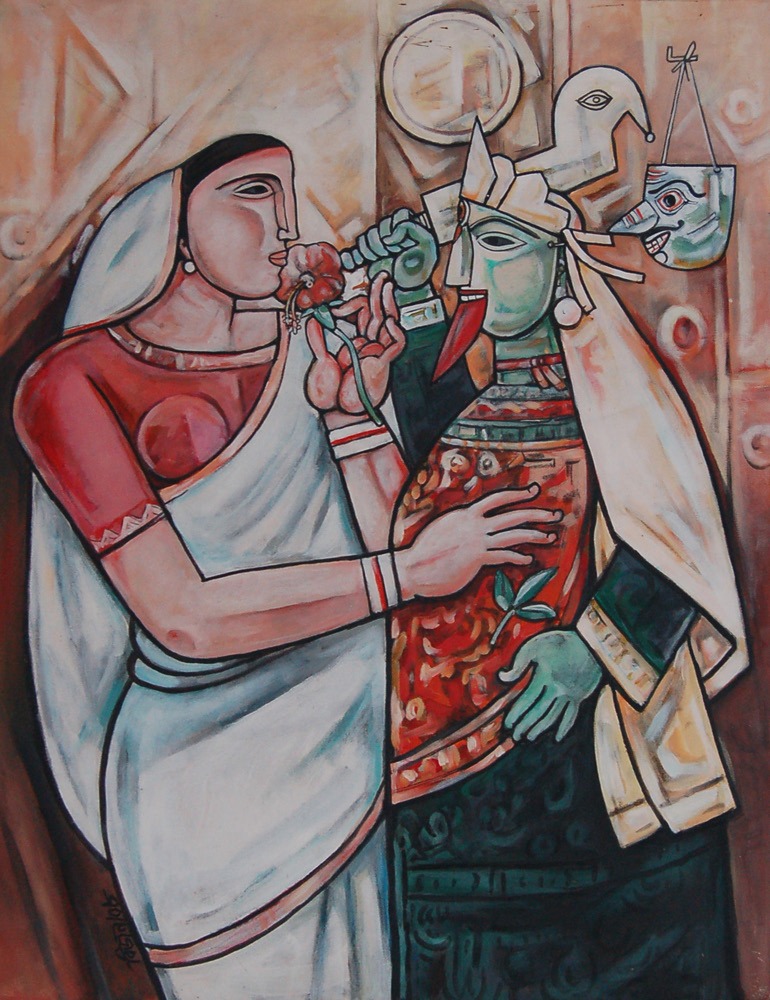
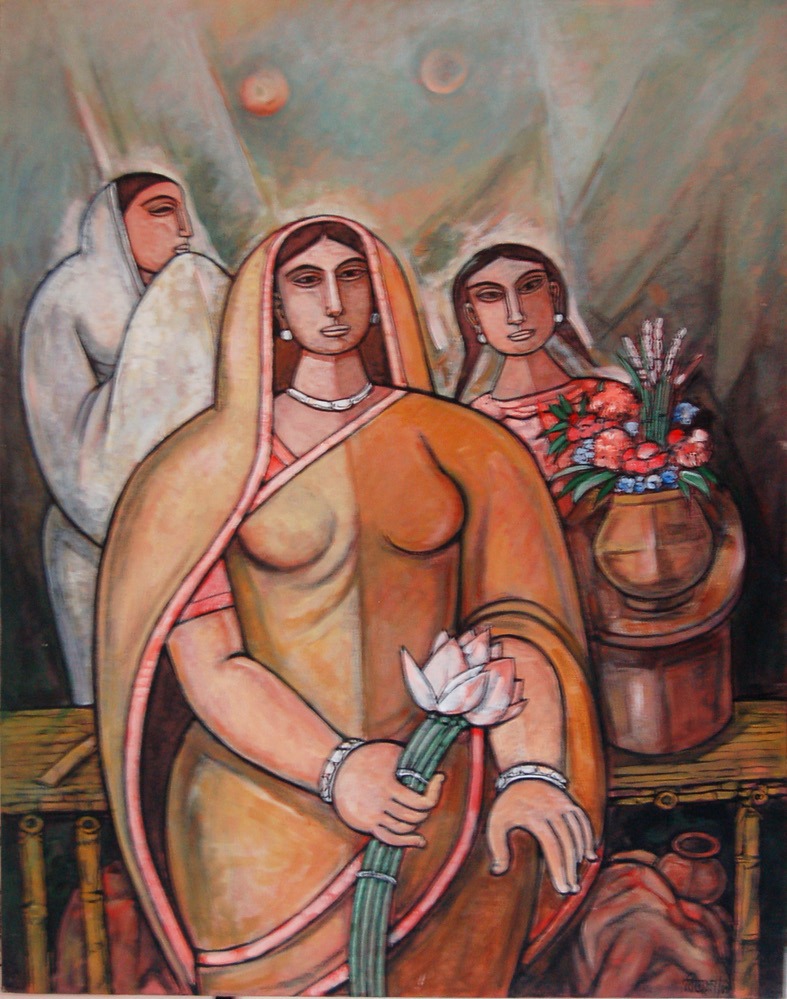
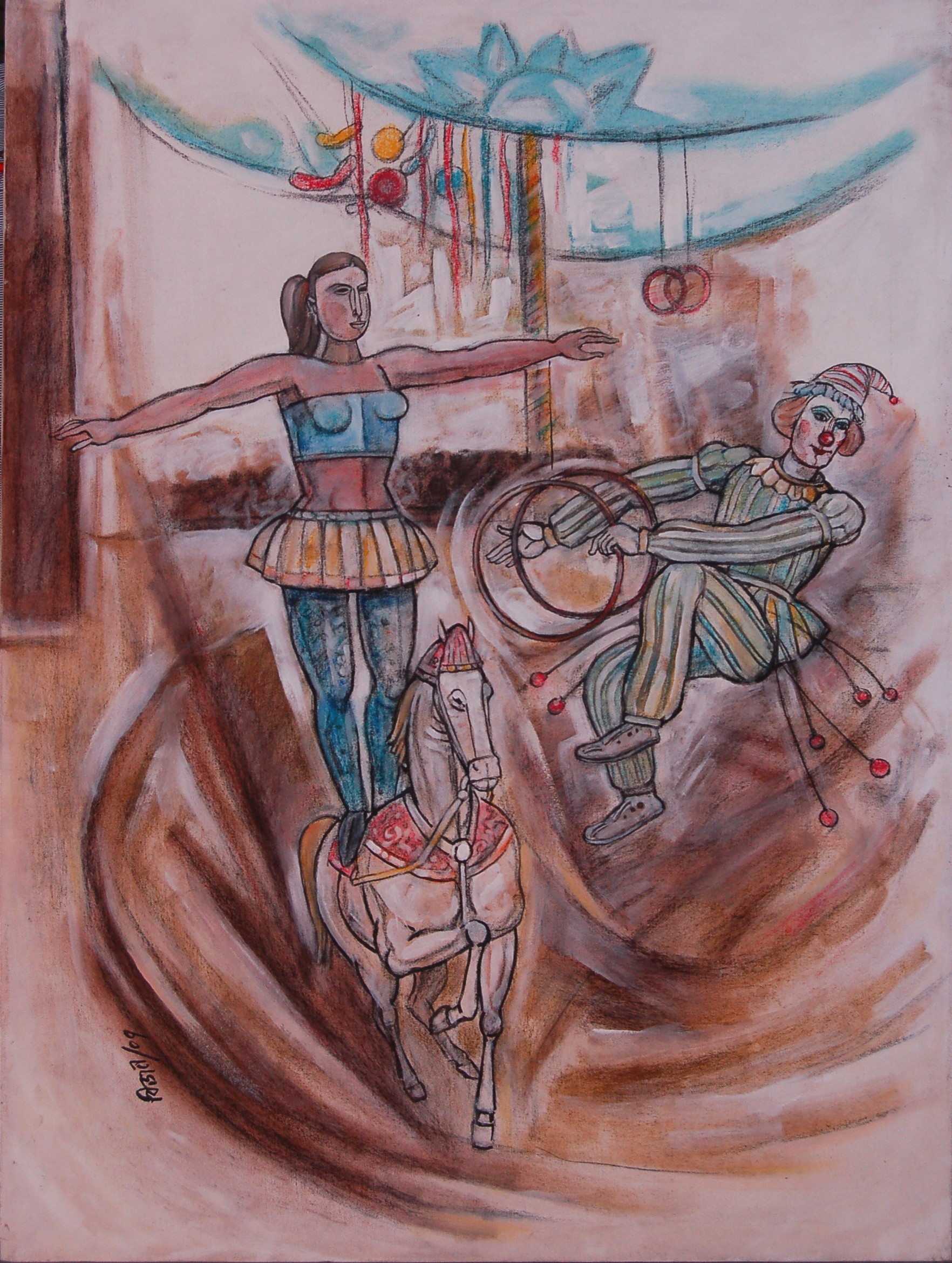
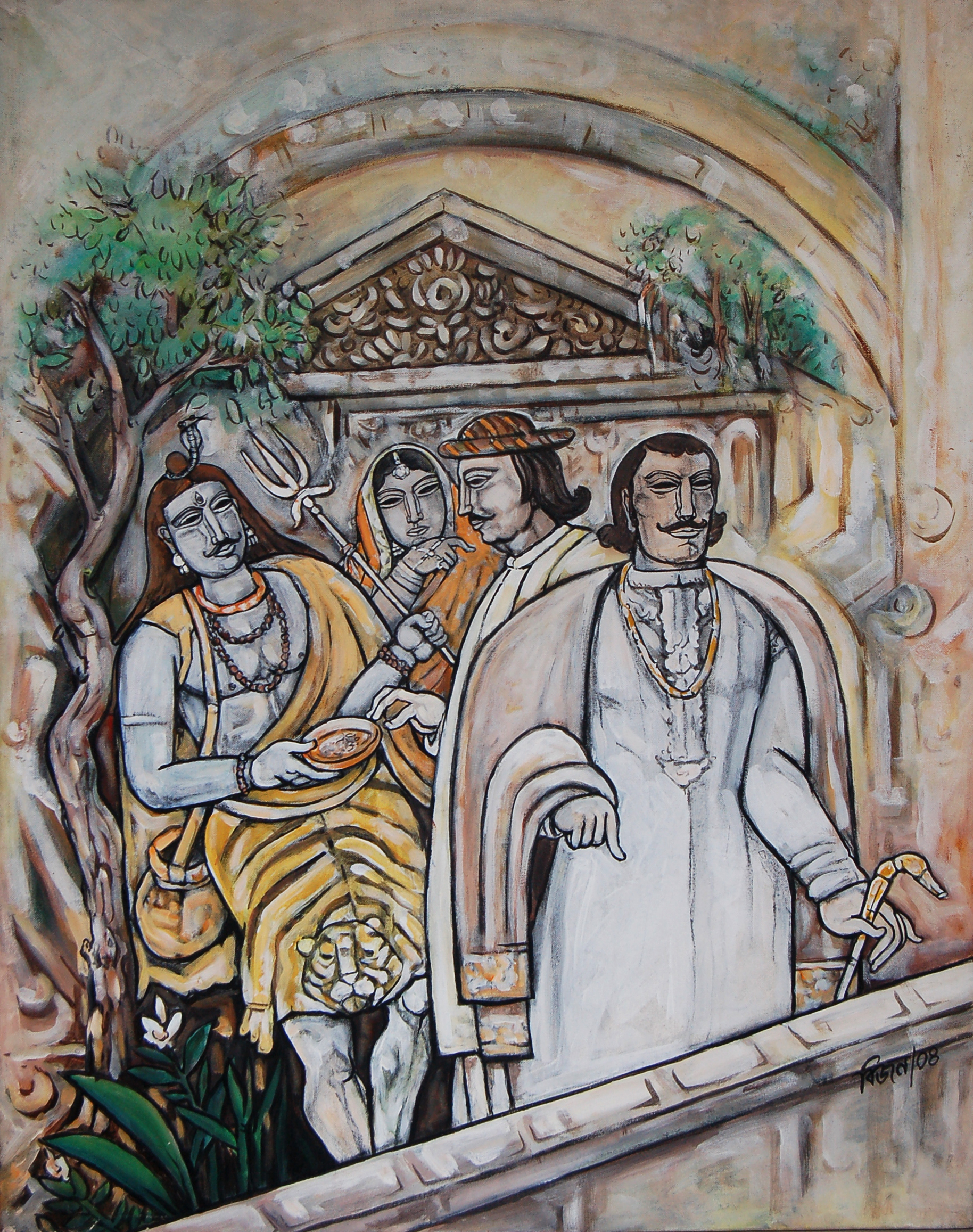
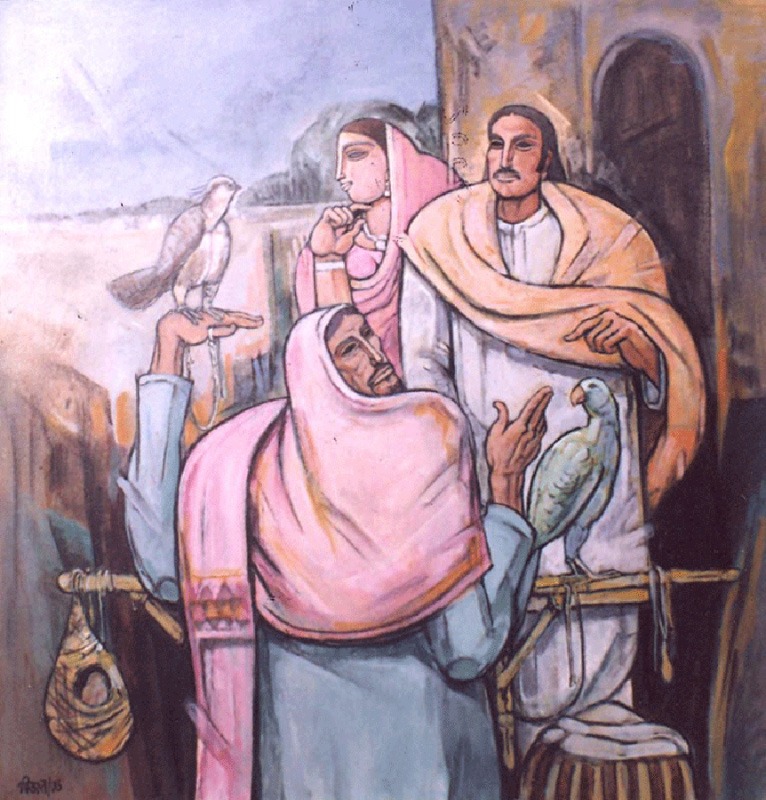
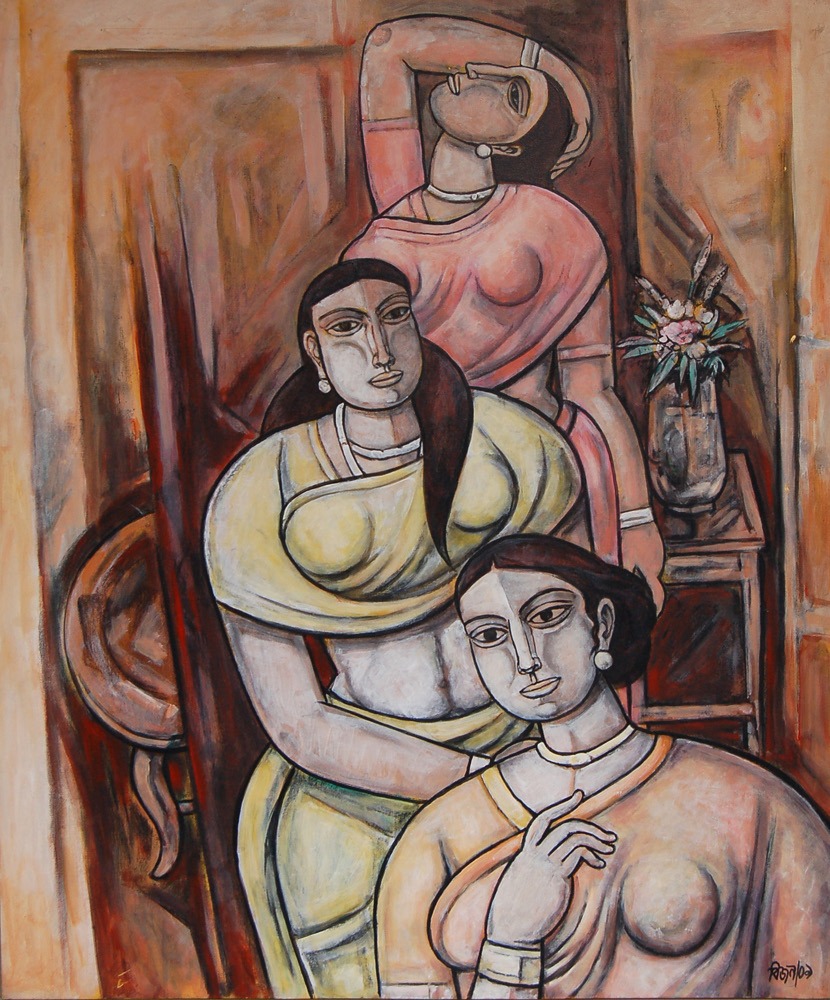
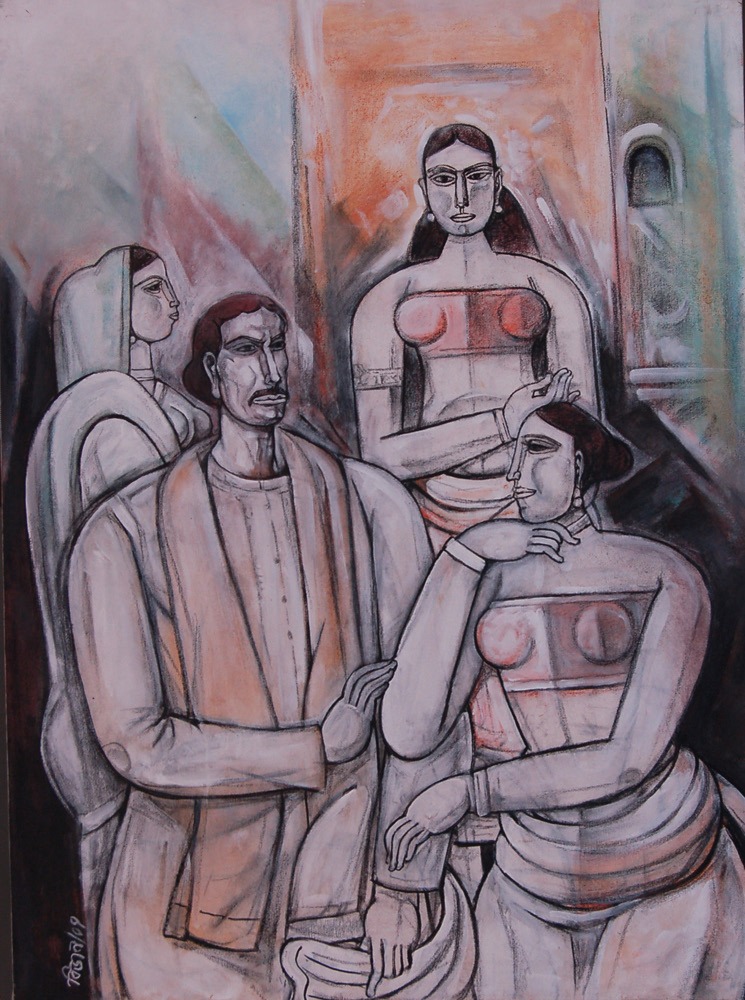
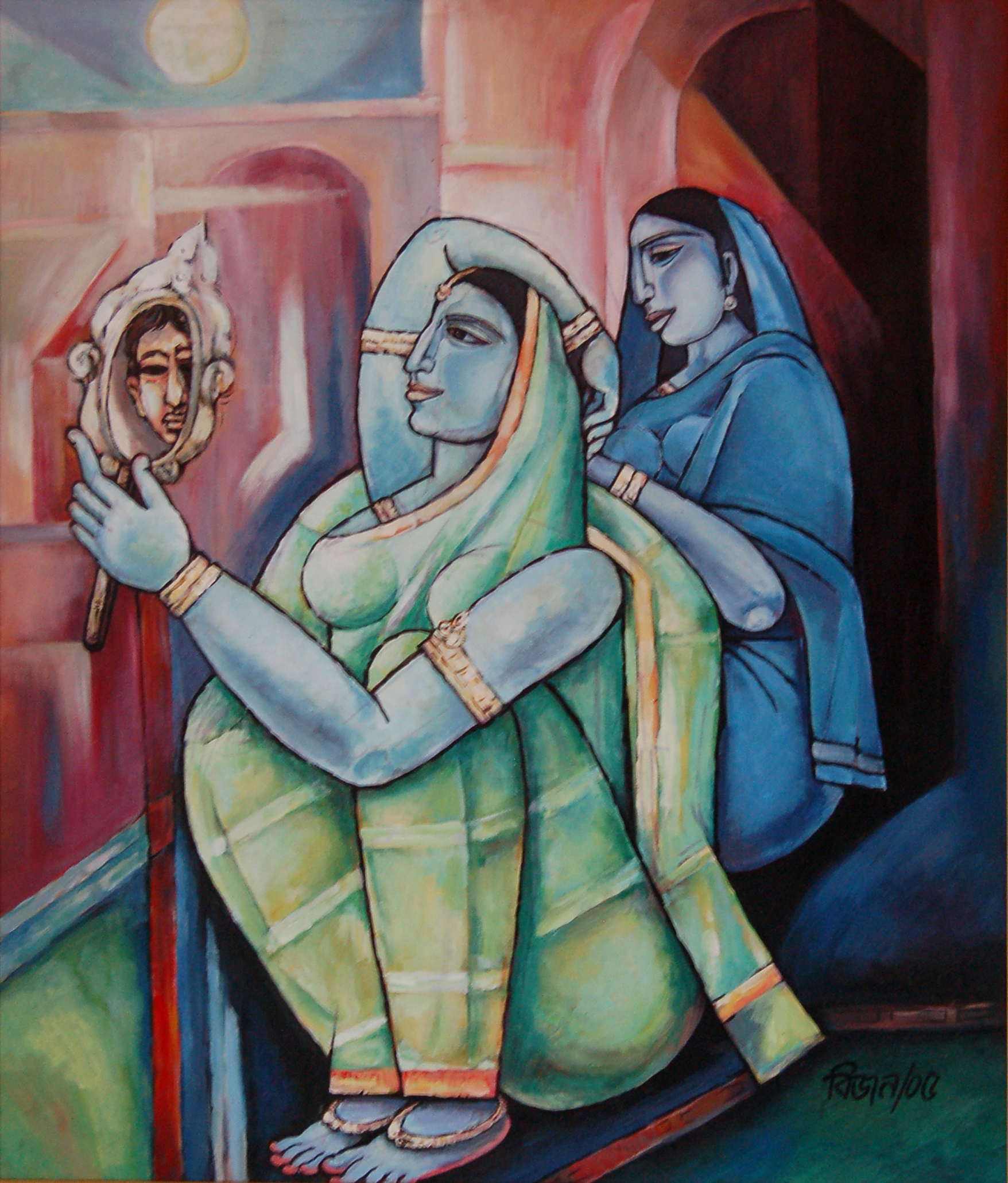
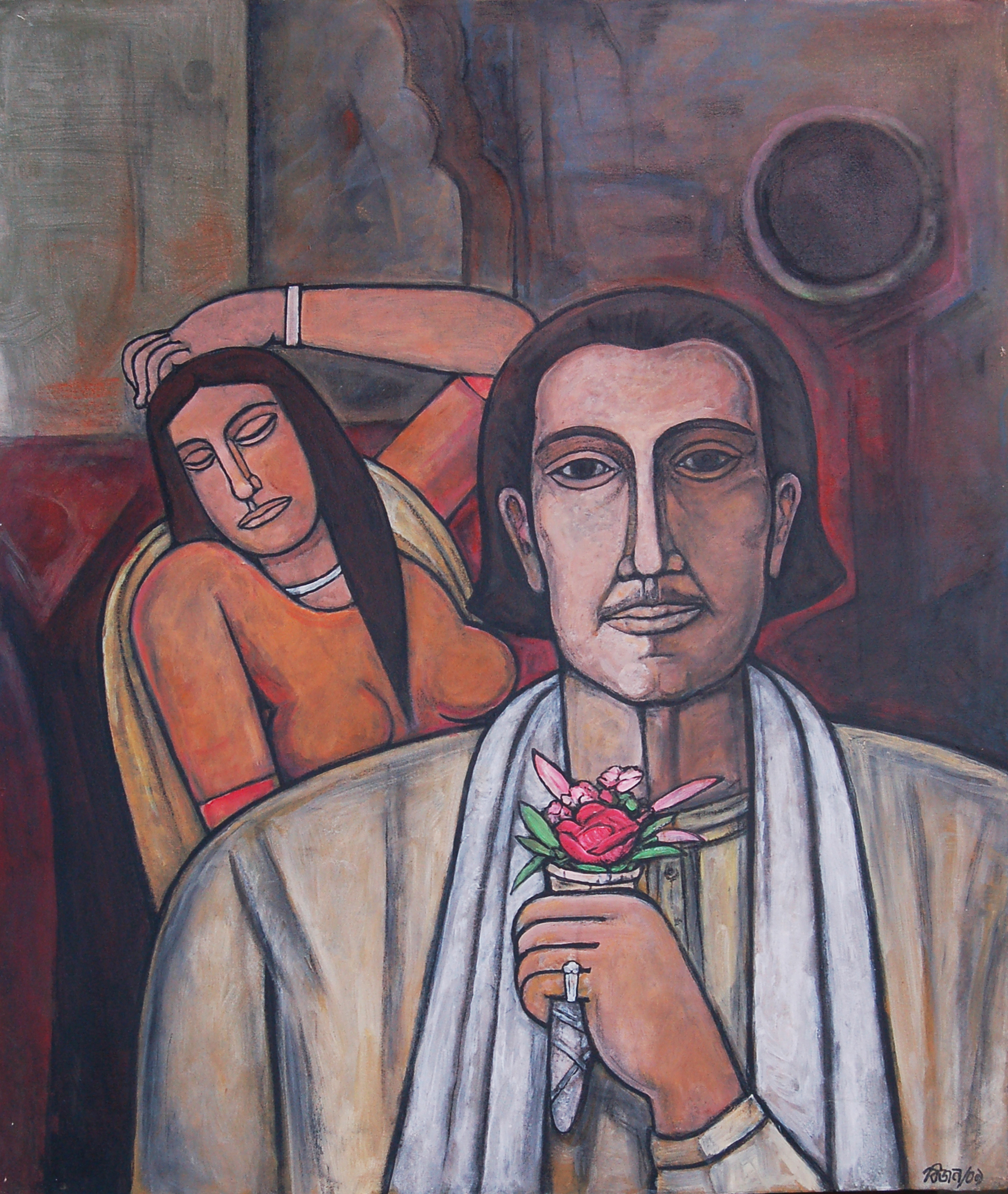
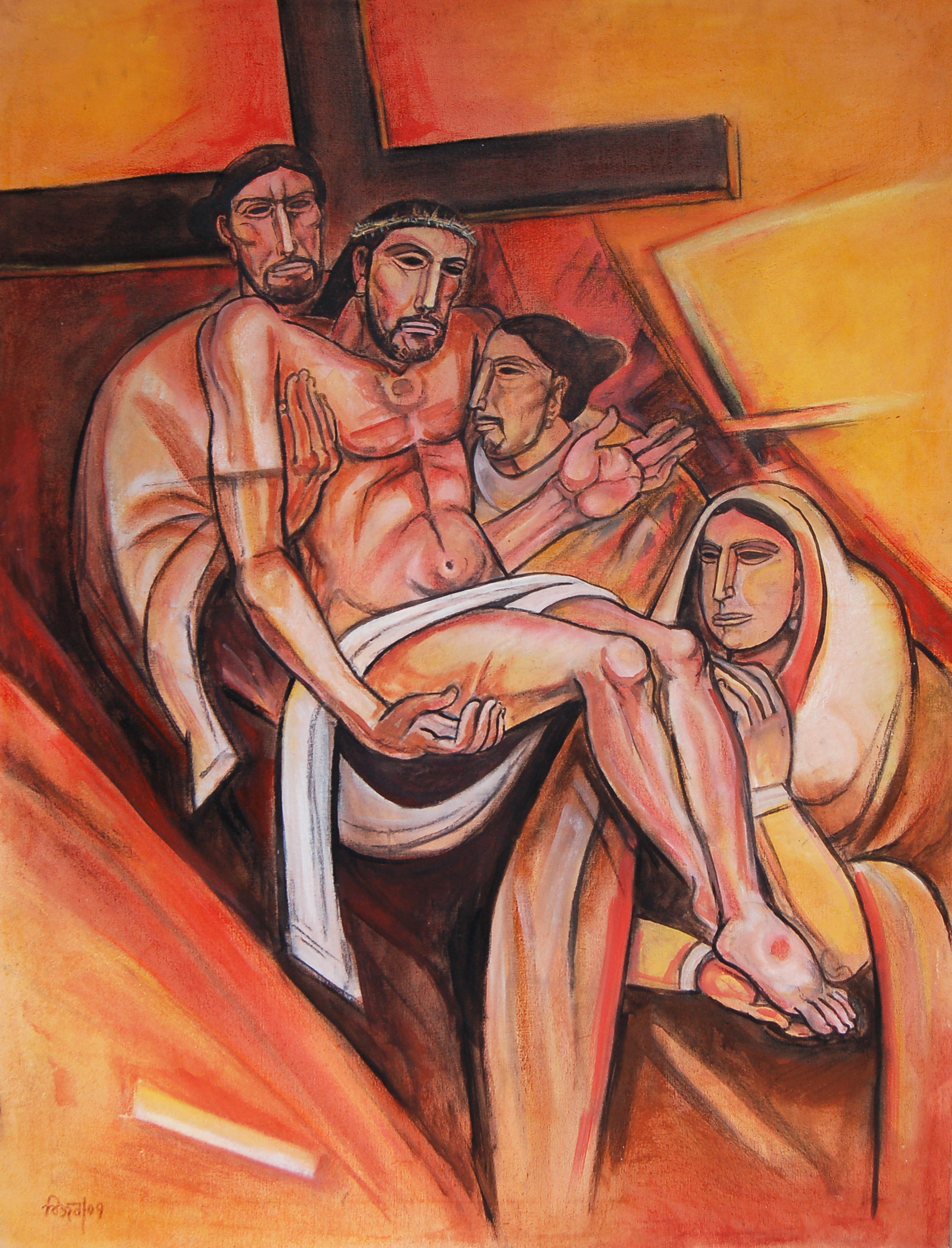
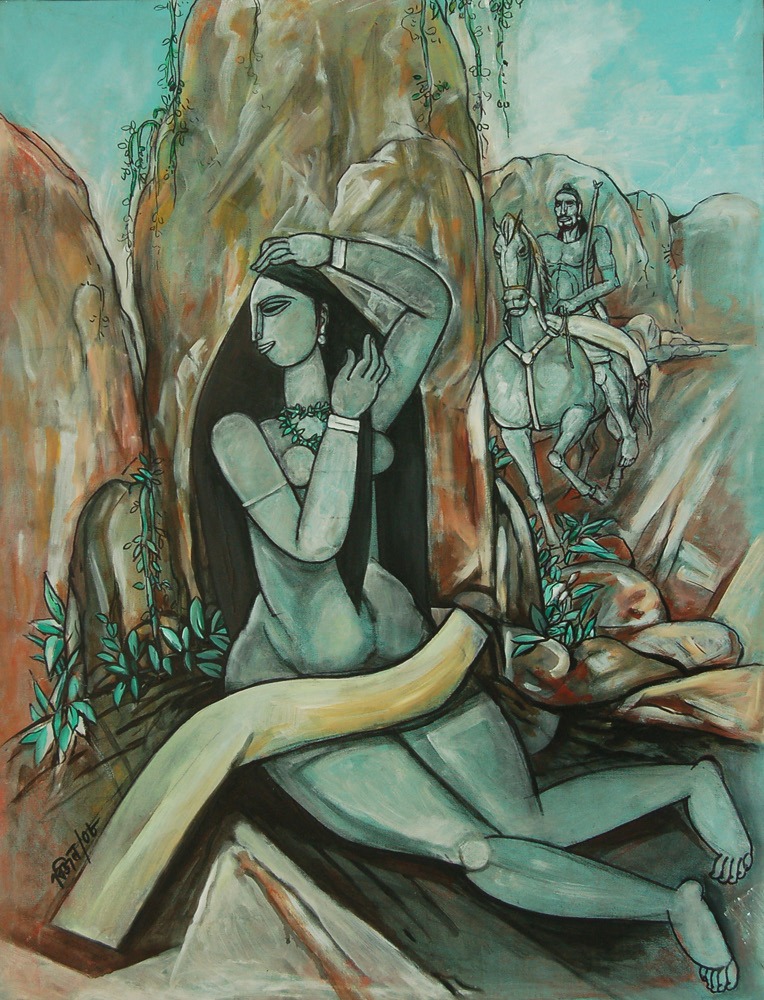
His work draws from familiar Indian visual traditions, including Kalighat paintings and the style of Jamini Roy. His lines are strong, his figures are simple, and yet there is a depth that slowly reveals itself. His paintings often show people, but not in a dramatic way. They seem quiet, thoughtful, sometimes even distant. There is a stillness in his work, as if time has slowed down. The lines are clear, the compositions feel balanced, and there is very little excess.
He was also a teacher and spent time guiding younger artists, which says a lot about how deeply he cared about art beyond just his own work.
What makes his work special is that it doesn’t demand attention loudly. It draws you in slowly. The more time you spend with it, the more you begin to notice, not just in the painting, but also in your own response to it.